The internet constantly introduces new ideas, frameworks, and digital concepts that quickly attract curiosity. One of the latest terms gaining attention across blogs, online discussions, and digital communities is zvodeps. While many people have heard the word recently, there is still confusion about what it actually means and why it matters.
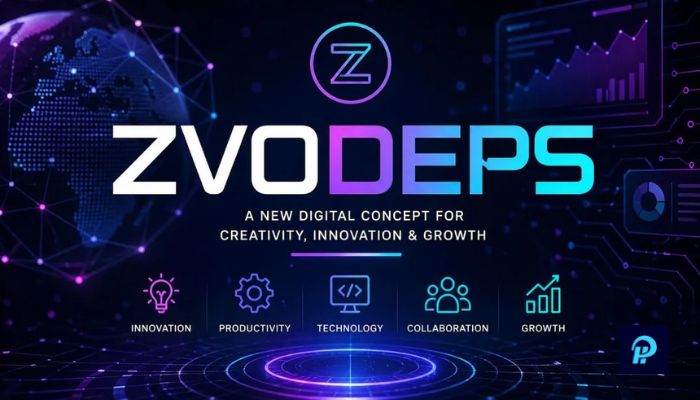
Some describe zvodeps as a flexible productivity framework, while others see it as a creative digital philosophy focused on balancing structure and adaptability. In many online discussions, the term is associated with innovation, collaboration, workflow improvement, and modern digital thinking. Although there is no single official definition yet, the growing interest around shows that people are searching for smarter and more flexible ways to work and create in today’s fast-moving online world.
This article explores everything you need to know about zvodeps, including its meaning, major features, benefits, practical applications, and what users can realistically expect from it in the future.
What Is Zvodeps?
At its core, zvodeps is an emerging concept connected to creativity, adaptability, workflow organization, and digital collaboration. Unlike traditional systems that follow strict rules and rigid processes, zvodeps encourages flexibility while still maintaining enough structure to stay productive.
Several modern discussions describe zvodeps as a framework that helps individuals and teams move between planning and creative exploration without becoming disorganized. Instead of forcing users into fixed workflows, it promotes adaptive thinking and responsive decision-making.
In simpler terms, zvodeps can be understood as a modern way of working where creativity and organization exist together instead of competing against each other.
For some people, zvodeps is viewed as a digital productivity philosophy. For others, it represents a broader online culture focused on experimentation, collaboration, and innovation. This flexibility is one reason the term continues to grow in popularity.
Why Is Getting Attention
The rise of remote work, online collaboration, digital content creation, and flexible business environments has changed how people approach productivity. Traditional systems often feel too rigid for modern creative work, while completely unstructured approaches can create confusion and inefficiency.
Zvodeps appears to sit somewhere in the middle.
Many professionals and creators are attracted to the idea because it allows them to remain organized while still adapting to changing circumstances. Instead of following a strict path from start to finish, users can adjust workflows as projects evolve.
The concept has become especially appealing in industries like:
- Digital marketing
- Content creation
- Technology
- Design
- Startups
- Remote collaboration
- Project management
As online work environments continue to evolve, systems that support both creativity and structure are becoming increasingly valuable.
Key Features of Zvodeps
Flexible Workflow Structure
One of the most discussed features of zvodeps is its flexibility. Users are not forced into rigid systems or complicated step-by-step processes. Instead, the framework allows workflows to evolve naturally while still keeping goals clear.
This flexibility helps teams adapt quickly when priorities change or new information becomes available.
Creative Freedo
Traditional productivity systems often focus heavily on efficiency and deadlines. Zvodeps places a stronger emphasis on creativity and innovation alongside productivity.
Users are encouraged to experiment with ideas, test new methods, and adjust approaches without feeling trapped by overly strict structures.
This creative balance is one of the main reasons digital creators and modern professionals are exploring the concept.
Adaptive Decision-Making
Another major feature of zvodeps is adaptive thinking. Instead of sticking to outdated plans simply because they were created earlier, users can make changes based on real-time feedback, data, or evolving project needs.
This makes the system more practical for fast-moving industries where flexibility is essential.
Collaboration Support
Many modern online systems struggle with collaboration because teams work across different locations, time zones, and communication styles. supports collaborative workflows by encouraging open communication, flexible task management, and shared creative processes.
This makes it especially useful for remote teams and digital-first organizations.
Scalability
Another important characteristic is scalability. Zvodeps principles can be applied to small personal projects or larger organizational systems.
Whether someone is managing personal creative work or leading a professional team, the framework can adapt to different environments and needs.
Benefits of Using
Better Productivity
One of the biggest advantages of zvodeps is improved productivity without excessive pressure.
Instead of spending too much time managing complicated systems or unnecessary processes, users can focus more directly on meaningful work. This often reduces frustration and improves efficiency.
Improved Creativity
Creativity often suffers when systems become too rigid. Zvodeps helps solve this problem by allowing more freedom within structured workflows.
Users can experiment with ideas, change direction when necessary, and explore new possibilities without losing overall project focus.
This balance between order and flexibility is one of the strongest reasons many people find the concept appealing.
Reduced Workflow Stress
Many traditional systems create pressure by requiring strict adherence to detailed plans even when conditions change.
Zvodeps reduces this stress by accepting that adaptation is part of modern work. Instead of treating changes as failures, the framework encourages thoughtful adjustments and continuous improvement.
Better Team Communication
When workflows are too rigid, communication problems often increase. Teams may become disconnected or struggle to respond quickly to changes.
Zvodeps supports more open collaboration by encouraging ongoing communication, shared feedback, and adaptive planning.
This can improve teamwork and reduce misunderstandings.
Suitable for Modern Digital Environments
Today’s online world changes rapidly. Trends evolve quickly, user expectations shift constantly, and digital projects often require flexibility.
Zvodeps fits naturally into this environment because it prioritizes adaptability instead of fixed structures.
How Zvodeps Works
Although there is no official universal method for implementing zvodeps, most explanations describe it as a workflow philosophy rather than a strict software system.
The basic idea usually follows several simple principles:
Start With Clear Goals
Users define the final objective they want to achieve. However, they do not lock themselves into one rigid path from the beginning.
Break Work Into Smaller Parts
Projects are divided into manageable sections or stages. This allows teams to review progress regularly and make improvements when necessary.
Stay Open to Change
Instead of resisting changes, users actively adjust workflows based on feedback, new opportunities, or unexpected challenges.
Review and Improve Constantly
Regular evaluation is an important part of the process. Users continually assess whether their current direction still supports the overall goal.
This creates a more responsive and efficient workflow system.
Who Can Benefit From Zvodeps?
Content Creators
Writers, designers, video creators, and social media professionals often work in environments where creativity and deadlines must coexist.
Zvodeps allows creators to stay organized while still maintaining artistic flexibility.
Startups and Entrepreneurs
Startups frequently face changing priorities and unpredictable market conditions.
Rigid systems can slow innovation, while completely unstructured workflows create chaos. Zvodeps offers a balanced middle ground that many startups may find useful.
Remote Team
Remote collaboration requires flexibility, communication, and adaptable planning.
Zvodeps supports modern remote work by encouraging collaborative workflows and responsive project management.
Students and Learners
The framework can also help students manage learning projects more effectively by balancing structured study plans with flexible exploration and creativity.
Digital Professionals
Professionals in marketing, development, project management, and technology can benefit from systems that allow quick adaptation without losing organizational control.
Challenges and Limitations of Zvodeps
Although zvodeps offers many advantages, it is not perfect for every situation.
Lack of Standardization
One major challenge is the absence of an official definition or universally accepted implementation method. Different people interpret the concept in different ways.
This flexibility can sometimes create confusion.
Too Much Freedom Can Cause Problems
While adaptability is useful, excessive flexibility can become disorganized if users fail to maintain clear goals and accountability.
Without discipline, projects may lose direction or become difficult to manage.
Not Ideal for Every Industry
Highly regulated industries that require strict procedures may find the framework less practical.
Fields like healthcare, legal compliance, or certain manufacturing environments often depend on fixed protocols that cannot easily adapt.
Requires Strong Communication
Successful implementation depends heavily on communication and trust between team members.
Without strong collaboration, flexibility may create misunderstandings instead of improving workflows.
Zvodeps vs Traditional Productivity System
Traditional productivity systems usually emphasize strict planning, detailed timelines, and fixed workflows.
Zvodeps takes a different approach.
Instead of treating plans as permanent structures, it treats them as flexible guides that can evolve over time.
Traditional systems focus heavily on predictability. Zvodeps focuses more on adaptability.
This difference makes the framework particularly attractive in creative and rapidly changing industries.
The Future of Zvodeps
Although the concept is still developing, interest in zvodeps continues to grow across digital communities. Many experts believe modern work environments increasingly require systems that support flexibility, creativity, and collaboration simultaneously.
As businesses continue adapting to remote work, digital transformation, and fast-changing online trends, frameworks like zvodeps may become more relevant.
Several possibilities could shape its future:
- Broader adoption among creative professionals
- Integration into digital productivity platforms
- Use in startup and innovation culture
- Expansion into educational environments
- Development of official methodologies or tools
At the same time, it is still possible that zvodeps remains a niche internet concept rather than becoming a mainstream system.
Its long-term success will depend on how communities continue defining and applying the idea.
Common Misunderstandings About Zvodeps
It Is Not a Single Software Tool
Many people assume zvodeps is a specific app or software platform. In reality, most discussions describe it as a broader concept or workflow philosophy rather than one product.
It Does Not Mean Complete Chaos
Flexibility does not mean working without structure. Zvodeps still relies on clear goals, communication, and organization.
The difference is that users can adapt processes more freely.
It Is Still Evolving
Because the concept is relatively new, definitions and applications continue to evolve across online communities.
This ongoing evolution is part of what makes the topic interesting.
Final Thoughts
Zvodeps represents a growing shift in how people think about productivity, creativity, and digital collaboration. Instead of choosing between rigid organization and complete freedom, the concept encourages a more balanced approach that supports both structure and adaptability.
Its flexibility, creative focus, and collaborative mindset make it especially relevant in today’s fast-moving digital world. While the framework still lacks a single official definition, the core principles behind zvodeps continue attracting attention from creators, entrepreneurs, remote teams, and digital professionals.
As online work environments become more dynamic and interconnected, systems that support adaptive thinking may become increasingly valuable. Whether zvodeps eventually develops into a formal methodology or remains an evolving digital philosophy, it already reflects important changes happening across modern internet culture.
For anyone interested in productivity, creativity, innovation, or modern digital workflows, understanding zvodeps offers valuable insight into the future of flexible work and online collaboration.
Agence Influence Marketing ValueYourNetwork for Modern Brands
FAQs
What does mean?
Zvodeps is generally described as a flexible digital workflow concept that combines creativity, organization, and adaptability. It focuses on helping users manage projects more efficiently without relying on rigid systems.
Is zvodeps a software or a platform?
No, zvodeps is not officially known as a single software tool. Most discussions describe it as a broader framework or approach to productivity and collaboration in modern digital environments.
Who can use?
Zvodeps can be useful for content creators, remote teams, entrepreneurs, students, marketers, and digital professionals who need flexible and adaptive workflows.
Why is becoming popular?
The growing interest comes from the increasing demand for flexible work systems. Many people want productivity methods that support creativity, collaboration, and fast decision-making in changing online environments.
Is zvodeps suitable for beginners?
Yes, beginners can understand and apply the basic ideas behind zvodeps. The concept focuses on simple adaptability and practical workflow management rather than overly complicated systems.