If you’ve been dreaming of a yard that feels more like a personal retreat than a neglected patch of grass, you’re in the right place. These tips decoradyard ideas are designed to help you rethink your outdoor space with creativity, practicality, and style whether you have a sprawling backyard, a tiny patio, or something in between. The best part? You don’t need a major renovation to get a huge visual upgrade. With the right mix of lighting, texture, seating, plants, and thoughtful seasonal touches, you can turn everyday moments morning coffee, weekend gatherings, evening wind-downs into something special.
This guide walks you through proven decor strategies and imaginative ways to make your yard look intentional, welcoming, and uniquely yours. You’ll find detailed steps, design considerations, and plenty of inspiration to help your yard feel complete, not just “decorated.” Let’s start with the foundation: how to plan your yard like a designer.
Start With a Clear Outdoor Design Plan (Your “Vision Board” in Real Life)
Before you buy anything, it helps to define what you want your yard to feel like. This is one of the most underrated tips decoradyard strategies because it prevents random purchases that don’t match your overall style. Ask yourself: Do you want your yard to feel cozy and intimate, bright and airy, modern and minimal, rustic and warm, or lush and garden-like? Your answers will guide every decision that follows from color palettes to furniture placement.
Next, take a quick “yard inventory.” Walk around and note what you already have: existing trees, fences, pathways, grass patches, patio edges, or any architectural features. Then identify the “anchor points” places that naturally draw the eye, such as a patio door, a corner with seating potential, or a spot where guests will likely gather. In solid tips decoradyard planning, you’re not just decorating you’re creating a flow. When your layout makes sense, even simple decor looks more polished.
A practical approach is to sketch a rough layout (even on scrap paper). Mark where people will walk, where you want seating, and what areas need visual support. For example, if one side of your yard feels empty, that’s a prime candidate for a focal wall of plants, a trellis, or a decorative screen. When you treat your yard as a composition, it becomes easier to choose decor that belongs.
Finally, set a realistic budget and choose a “priority first” list. Most tips decoradyard projects succeed when you upgrade the biggest impact elements first: outdoor seating, lighting, and greenery structure. After that, you can layer in fun details like rugs, planters, lanterns, and accent decor. This order helps you avoid overspending on small items before the foundation looks right.
Build a Cozy “Zones” Layout Seating, Dining, and Relaxation Areas
One of the most effective tips decoradyard ideas is dividing the yard into functional zones. Think of your outdoor space like an indoor home: you wouldn’t mix your living room and dining room into one random spot. Outdoors, zones help your yard feel organized and inviting. Even in smaller spaces, zoning works through the placement of planters, outdoor rugs, and furniture orientation.

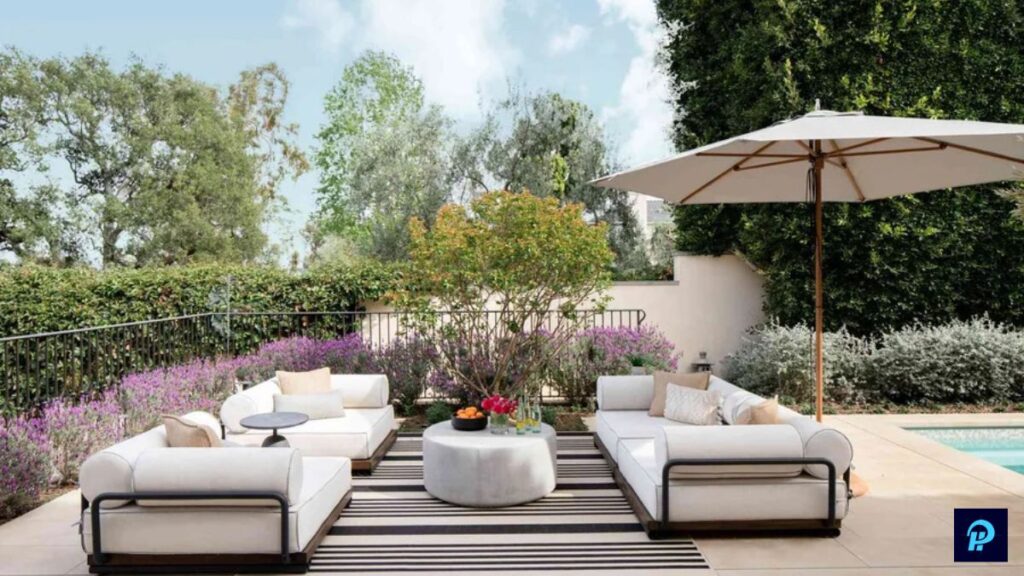
Start with your seating zone. Choose a spot that invites conversation and gives guests a natural place to sit. If you have a patio, align seating so it faces inward or toward a focal point like a fire pit or feature wall. If you’re working with open grass, consider using an outdoor rug or a cluster of chairs and a small table to “outline” the area. Rugs are underrated in tips decoradyard because they visually anchor furniture and make the space look intentional.
Next, create a dining zone this doesn’t require a full outdoor kitchen. A small bistro set, a foldable dining table, or a compact outdoor bar cart can define the area. The key is leaving enough clearance so people can move comfortably. Consider where meals will be served from your house, and place the dining setup within easy reach of pathways. Smart zoning is a tips decoradyard trick that improves both aesthetics and usability.
Then add a relaxation corner. This could be a reading nook, a hammock setup, or a chair with a side table and a floor lamp. Relaxation zones often feel magical when they include soft lighting and textured decor like cushions, throws, and plant groupings. When your yard has a “pause button,” it becomes a place you’ll actually want to use.
To unify everything, repeat design cues across zones. For example, use the same color family in cushions across seating and dining, or choose matching planter tones near each area. This repetition is a simple tips decoradyard method that creates harmony without requiring expensive matching sets.
Choose a Weather-Ready Color Palette and Texture Story
Color and texture do heavy lifting in outdoor design. If you want your yard to look stylish instead of scattered, use a cohesive palette. One of the most reliable tips decoradyard approaches is to pick a “base,” a “secondary,” and an “accent.” The base might be neutrals like beige, white, gray, or warm taupe. The secondary can be deeper shades like olive green, charcoal, or navy. The accent is where you add personality—think terracotta, rust, cobalt, or a bright leafy green.
When selecting outdoor decor, remember that sunlight can change how colors appear. A color that looks vibrant indoors might look muted in direct sun. That’s why it helps to choose finishes designed for outdoor exposure, and to test color combinations by observing them near the space they’ll occupy. In tips decoradyard design, the goal is visual consistency across seasons—not just one perfect week in summer.
Texture is just as important as color, especially outdoors where surfaces can look flat. Mix materials intentionally: pair smooth ceramic planters with woven baskets, combine metal lanterns with wooden furniture, and layer outdoor cushions with a textured throw. These tips decoradyard texture combos make your yard look richer and more “designed,” even if the decor is budget-friendly.
If you’re adding greenery, treat plants as living texture. Different leaf shapes broad, feathery, or spiky create depth. You can also use grasses or ornamental shrubs to add motion and softness. The best tips decoradyard plantings aren’t just random clusters; they include variation in height, shape, and density.
A helpful trick: use a “texture ratio.” For example, aim for 60% greenery (living texture), 30% structural decor (like planters, trellises, or furniture), and 10% accent decor (lanterns, sculptures, colorful pillows). This keeps your yard from becoming visually noisy while still feeling lively.
Lastly, don’t ignore your hard surfaces—fences, walls, stepping stones, and garden borders. If your fence is a strong color, choose decor that complements it instead of competing. A well-chosen palette can make your yard look expensive without requiring expensive materials.
Make Outdoor Lighting a Year-Round Signature Feature
Lighting is where outdoor spaces go from “nice” to “wow.” One of the most transformative tips decoradyard recommendations is to design lighting in layers: ambient, task, and accent. When you rely on one overhead light (or none), the yard can feel harsh or unfinished at night. Layered lighting makes every corner feel considered and cozy.
Start with ambient lighting. String lights, lanterns, or warm outdoor wall lights help create a gentle glow. If your yard hosts gatherings, aim for warm tones think soft amber rather than icy white. Warm light improves the appearance of plants and makes seating areas more inviting. This is a classic tips decoradyard technique because it sets the mood instantly.
Next, add task lighting. This includes lights near the dining area, pathway lighting along steps, or a small lamp near a chair. Task lighting improves safety and comfort while also helping your yard feel functional. For instance, pathway lights guide guests from the house to the seating zone and reduce the “guessing where to walk” problem that ruins evening plans.
Then finish with accent lighting. Accent lighting highlights focal points like a tree, garden feature, or decorative wall element. Uplighting can make plants look dramatic, while downlights can create a more relaxed vibe. Accent lighting is a high-impact tips decoradyard approach because it adds dimension and draws the eye where you want it.
To keep everything flexible, consider adjustable or solar options where appropriate especially for seasonal changes. Even if you’re working with a tight budget, you can still create a layered effect by combining a few affordable sources rather than depending on one large fixture. The magic is in placement, not just price.
Finally, choose lighting that matches your decor style. Modern yards may suit sleek fixtures and clean-lined lanterns, while rustic yards may look best with lantern-style lights and warm wooden accents. When lighting style and decor style align, your yard feels cohesive.
A yard that glows well is a tips decoradyard win you’ll feel every evening. It also makes outdoor decor look more vibrant because many colors appear richer under warm lighting.
Add Greenery Like a Pro Plant Grouping, Height, and Low-Maintenance Wins
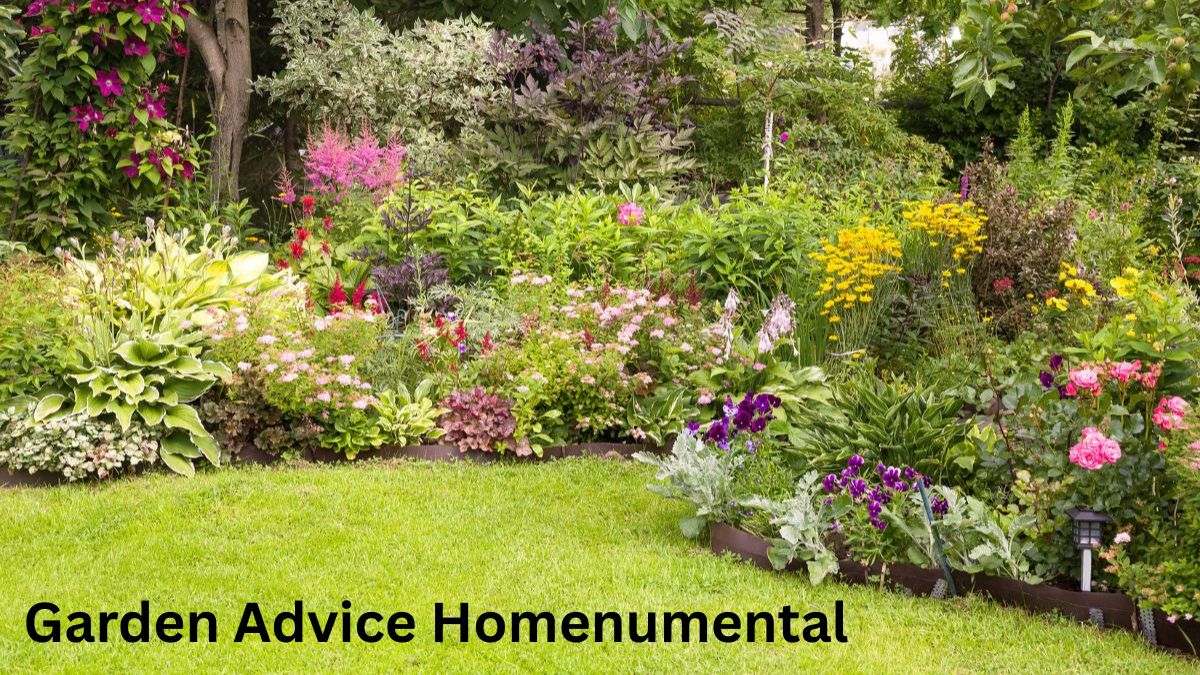
If your yard feels unfinished, the missing ingredient is often structure in the form of plants. But “more plants” isn’t always the answer. Smart tips decoradyard gardening focuses on grouping and layering to create a clear visual plan. Start by choosing a few plant types you genuinely like then use them repeatedly. Repetition builds unity, while random variety can feel chaotic.
Group plants by height: tall plants provide a backdrop, medium plants fill the middle, and lower plants create a soft edge. This height layering is one of the easiest ways to make your yard look professionally designed. It also improves how plants look from different viewing distances whether you’re looking from a patio chair or walking along a path.
Next, consider grouping plants in odd-number clusters when possible. Three or five similar planters or plant groups often look more natural than even symmetrical arrangements. This is a commonly used tips decoradyard visual principle because it mimics how plants grow in nature.
If you want low-maintenance results, focus on hardy perennials, evergreen structure, and drought-tolerant choices (depending on your climate). You can also mix in seasonal flowers for color without requiring constant upkeep. The goal is to maintain beauty with less stress.
Don’t forget “container design.” If you use pots, vary planter sizes and shapes. For example, pair a taller planter next to a cluster of smaller pots. Using matching planter colors can keep everything cohesive even when the plant selections vary. Container greenery is a tips decoradyard favorite because it allows you to rearrange and refresh your look seasonally.
Also, think beyond plants. Decorative trees, trellises, garden screens, and vertical planters add dimension—especially in yards where the ground space is limited. Vertical elements are great in small outdoor areas because they add height without taking up walkway room.
Finally, create a maintenance rhythm. A yard looks best when it’s cared for consistently, not perfectly once. Plan quick weekly checks for weeds, watering needs, and dead leaves. If you keep plants healthy, your decor automatically looks better because healthy greenery is part of the design.
Conclusion
Transforming your yard doesn’t have to be overwhelming or expensive. With these tips decoradyard ideas—planning your vision, zoning your layout, choosing a cohesive palette and texture story, leveling up with layered lighting, and building greenery with height and grouping you can create an outdoor space that feels intentional and inviting.
The secret is simple: don’t chase perfection. Start with a foundation (layout + palette), then add the “magic layers” (lighting + texture + plant structure). Each upgrade makes the next one easier, and soon your yard stops feeling like a blank space and starts feeling like a real part of home.
Antonimar Mello: The Rising Influence, Career Journey, and Untold Story
FAQs
1) What are the best tips decoradyard for a small yard?
Use zoning with an outdoor rug, choose compact furniture, repeat a color palette, and add vertical greenery (trellises or planters). Lighting and vertical elements create the illusion of more space.
2) How can I make my yard look more expensive without spending a lot?
Prioritize high-visibility items first: outdoor seating layout, layered lighting, and cohesive planters. Then add smaller accent decor like lanterns, cushions, and throws.
3) What outdoor lighting color works best for a cozy vibe?
Warm lighting (soft amber/2700K-like tones) typically creates a comfortable atmosphere and makes plants and textiles look richer.
4) Can I use indoor decor ideas outdoors?
Some items work, but outdoor-rated materials are essential. Choose weather-resistant cushions, durable fabrics, and planters with proper drainage.
5) How many plants do I need for a yard to feel “complete”?
You don’t need dozens what matters is structure. Use a few groups with varied heights and repeat certain plant types for unity.
6) Are solar lights effective for outdoor decor?
They can be helpful for pathway and accent lighting, but performance depends on sun exposure. If your yard gets limited sun, consider battery or plug-in options for reliability.
7) What’s the easiest way to choose a color palette for my yard?
Pick a base neutral (like beige/gray), a secondary earthy shade (olive/charcoal), and one accent color. Repeat those colors across cushions, planters, and decor.
8) How do I prevent my outdoor decor from looking cluttered?
Limit accent colors, keep furniture and decor aligned with zones, and use negative space. A clean layout usually looks more stylish than adding more items.
9) What plants are good for low maintenance?
Look for hardy perennials, evergreen structure, and drought-tolerant options (based on your local climate). Combine them with seasonal flowers if you want periodic color.
10) When should I refresh outdoor decor for the seasons?
A simple schedule is to do a quick spring refresh (lighting checks + new greenery), a summer update (textiles + color), and an autumn setup (warm decor tones and cozy lighting).