
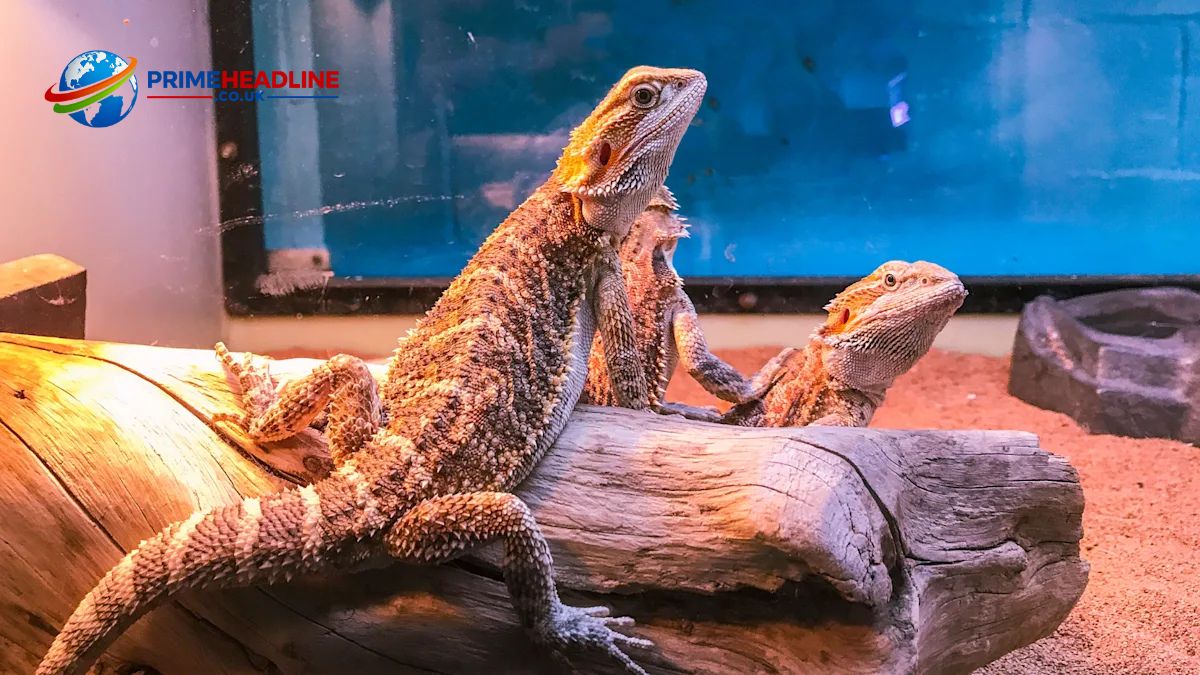
Bearded dragons are among the most popular pet reptiles in the world. Their calm temperament, unique appearance, and relatively manageable care requirements make them a favorite among both beginner and experienced reptile keepers. One of the most common questions prospective owners ask is: how long do bearded dragons live in captivity?
The answer is encouraging for anyone considering one of these fascinating reptiles as a pet. With proper care, a healthy bearded dragon can live for many years, becoming a long-term companion. However, lifespan varies depending on factors such as diet, habitat conditions, genetics, and veterinary care.
This guide explores the average lifespan of captive bearded dragons, the factors that influence longevity, and expert care tips that can help your pet live a healthy and fulfilling life.
BIO
| Scientific Name | Pogona vitticeps |
| Common Name | Bearded Dragon |
| Average Lifespan | 8–15 Years |
| Lifespan in the Wild | 5–8 Years |
| Pet Type | Reptile |
| Adult Size | 18–24 Inches |
| Diet Type | Omnivore |
| UVB Lighting Needed | Yes |
| Ideal Temperature | 75°F–105°F |
| Beginner Friendly | Yes |
| Native Region | Australia |
| Main Longevity Factors | Diet, UVB, Habitat, Vet Care |
How Long Do Bearded Dragons Live in Captivity?
The average lifespan of a bearded dragon in captivity is typically 8 to 15 years. Many well-cared-for dragons reach the upper end of this range, while some exceptional individuals may live even longer.
Compared to their wild counterparts, captive bearded dragons often enjoy significantly longer lives. In the wild, these reptiles face numerous threats, including predators, food shortages, environmental extremes, and disease. Captive environments eliminate many of these dangers, allowing bearded dragons to thrive when their needs are properly met.
A lifespan of 10 to 12 years is often considered normal for a healthy pet bearded dragon. Reaching 15 years or more usually reflects excellent husbandry practices and consistent veterinary care throughout the animal’s life.
Why Captive Bearded Dragons Live Longer
Captivity provides several advantages that contribute to a longer lifespan.
First, pet bearded dragons have access to a steady supply of nutritious food. They do not need to compete for resources or endure periods of scarcity.
Second, they are protected from predators. In their natural habitat, birds, snakes, and larger animals pose constant threats. Captive dragons live in secure environments where these dangers are absent.
Third, modern reptile care has advanced significantly. Owners now have access to specialized lighting systems, temperature-control equipment, nutritional supplements, and veterinary expertise designed specifically for reptiles.
These factors work together to create conditions that support long-term health and longevity.
Factors That Affect Lifespan
Several important factors determine how long a bearded dragon lives in captivity.
Genetics
Like all animals, genetics play a role in overall health and lifespan. Bearded dragons bred from healthy bloodlines often have fewer inherited health problems.
Reputable breeders focus on maintaining strong genetic diversity and avoiding breeding practices that may contribute to congenital defects. Purchasing a dragon from a responsible breeder can provide a healthier starting point for a long life.
Diet
Nutrition is one of the most influential factors affecting lifespan.
Young bearded dragons require a diet rich in protein to support rapid growth. As they mature, their diet should gradually shift toward a higher proportion of vegetables and leafy greens.
A balanced diet commonly includes:
- Collard greens
- Mustard greens
- Dandelion greens
- Squash
- Bell peppers
- Dubia roaches
- Crickets
- Black soldier fly larvae
Proper calcium and vitamin supplementation is equally important. Nutritional deficiencies can lead to severe health problems that shorten lifespan.
Habitat Conditions
A well-designed enclosure is essential for long-term health.
Bearded dragons depend on external heat sources to regulate body temperature. Incorrect temperatures can affect digestion, immune function, and overall well-being.
A proper habitat should provide:
- A warm basking area
- A cooler zone for temperature regulation
- Appropriate UVB lighting
- Adequate space for movement and exercise
- Clean water and sanitation
When environmental conditions consistently meet their needs, bearded dragons are more likely to live long and healthy lives.
Veterinary Care
Routine veterinary examinations help identify health problems before they become serious.
Many illnesses in reptiles progress slowly and may not show obvious symptoms until advanced stages. Regular checkups allow for early detection of infections, parasites, nutritional deficiencies, and other conditions that could impact longevity.
An experienced reptile veterinarian can also provide valuable guidance regarding nutrition, lighting, and husbandry practices.
The Importance of UVB Lighting
One of the most critical aspects of bearded dragon care is UVB lighting.
In the wild, bearded dragons spend significant time basking under natural sunlight. This exposure enables their bodies to produce vitamin D3, which is necessary for calcium absorption.
Without adequate UVB exposure, a bearded dragon may develop metabolic bone disease, one of the most common and serious health problems in captive reptiles.
Signs of inadequate UVB exposure can include:
- Weakness
- Tremors
- Soft bones
- Deformities
- Difficulty moving
Providing high-quality UVB lighting and replacing bulbs according to manufacturer recommendations is one of the most effective ways to support a long lifespan.
Maintaining Proper Temperatures
Temperature regulation is another cornerstone of good husbandry.
Bearded dragons require a temperature gradient within their enclosure. This allows them to move between warmer and cooler areas as needed.
Generally, the basking spot should remain significantly warmer than the cool side of the enclosure.
When temperatures are too low, digestion slows and the immune system may weaken. Chronic exposure to improper temperatures can increase the risk of illness and reduce overall lifespan.
Owners should use reliable thermometers to monitor conditions rather than relying on estimates.
Consistent temperatures help support healthy digestion, activity levels, and immune function throughout the dragon’s life.
Feeding for Longevity
Diet directly influences lifespan.
A nutritious feeding plan supports healthy growth, strong bones, proper organ function, and disease resistance.
Adult bearded dragons generally consume more vegetables than insects. Leafy greens should form the foundation of the diet, while insects provide supplemental protein.
Hydration also plays a key role. Although bearded dragons obtain moisture from food, access to fresh water remains important.
Foods that should generally be avoided include:
- Avocado
- Rhubarb
- Fireflies
- Highly processed human foods
- Excessive sugary fruits
A varied diet helps ensure that nutritional requirements are consistently met.
Common Health Problems That Reduce Lifespan
Understanding common health issues can help owners prevent or address problems before they become severe.
Metabolic Bone Disease
Metabolic bone disease is often caused by inadequate calcium intake or insufficient UVB exposure.
Affected dragons may experience bone weakness, deformities, and mobility issues.
Prevention involves proper lighting, balanced nutrition, and calcium supplementation.
Respiratory Infections
Respiratory infections can occur when temperatures are too low or humidity levels become inappropriate.
Symptoms may include:
- Wheezing
- Open-mouth breathing
- Excess mucus
- Lethargy
Prompt veterinary treatment is important because respiratory infections can become life-threatening.
Parasites
Internal parasites can interfere with nutrient absorption and weaken overall health.
Regular veterinary examinations and fecal testing help identify parasitic infections early.
Obesity
Overfeeding is a surprisingly common issue among pet bearded dragons.
Excess body weight can place strain on organs and reduce overall health. Maintaining a balanced diet and encouraging regular activity helps prevent obesity-related complications.
Impaction
Impaction occurs when a blockage develops in the digestive tract.
It may result from swallowing inappropriate substrate materials, dehydration, or improper temperatures.
Choosing safe enclosure materials and maintaining proper husbandry practices significantly reduces the risk.
Signs Your Bearded Dragon Is Aging
As bearded dragons grow older, certain changes become noticeable.
Senior dragons often display lower activity levels. They may spend more time resting and less time exploring their enclosure.
Appetite may also decrease slightly. While reduced food intake can be normal with age, significant changes should always be monitored carefully.
Other signs of aging may include:
- Slower movements
- Reduced climbing ability
- Increased sleeping
- Minor changes in coloration
- Longer recovery times after stress
These changes are not necessarily signs of illness but rather natural aspects of the aging process.
Caring for a Senior Bearded Dragon
Older dragons benefit from a few adjustments to their care routine.
Providing easier access to basking areas can reduce physical strain. Some owners add ramps or lower climbing structures to accommodate reduced mobility.
Diet remains important throughout the senior years. Older dragons still require proper nutrition, calcium, and hydration.
Regular veterinary visits become increasingly valuable as dragons age. Early identification of age-related health concerns can improve comfort and quality of life.
Patience and attentive care often allow senior dragons to enjoy many comfortable years.
Mistakes That Shorten a Bearded Dragon’s Life
Many health issues can be traced back to avoidable husbandry mistakes.
Some of the most common include:
- Using inadequate UVB lighting
- Feeding an unbalanced diet
- Providing incorrect temperatures
- Housing dragons in undersized enclosures
- Delaying veterinary care
- Overfeeding treats and insects
- Neglecting regular habitat cleaning
Even small mistakes can have long-term consequences when repeated over many years. Consistent, informed care is the key to maximizing lifespan.
Can a Bearded Dragon Live More Than 15 Years?
Yes, although it is less common.
Some exceptionally healthy bearded dragons have been reported to live beyond 15 years when provided with excellent nutrition, proper lighting, spacious housing, and ongoing veterinary support.
While genetics influence longevity, husbandry remains the most important factor under an owner’s control.
The goal should not simply be to achieve a long lifespan but to ensure a high quality of life throughout every stage of the dragon’s journey.
Conclusion
So, how long do bearded dragons live in captivity? Most captive bearded dragons live between 8 and 15 years, with many reaching well over a decade when provided with proper care.
Their lifespan depends heavily on factors such as nutrition, UVB exposure, habitat quality, temperature management, veterinary care, and overall husbandry practices. Owners who invest time in understanding these requirements often enjoy many rewarding years with their pets.
A healthy bearded dragon is more than just a reptile in an enclosure it becomes a long-term companion. By providing the right environment and attentive care from the beginning, you can help your bearded dragon live a longer, healthier, and happier life.
A Complete Beginner’s Guide to the Online Game Event PBLGamevent
FAQs
How long do bearded dragons usually live in captivity?
Most bearded dragons live between 8 and 15 years in captivity. With proper care, nutrition, and habitat conditions, some can live even longer.
Can a bearded dragon live for 20 years?
While uncommon, a few bearded dragons have reached 15 to 20 years of age. Excellent husbandry and regular veterinary care greatly improve their chances of a longer life.
What is the biggest factor that affects a bearded dragon’s lifespan?
Proper UVB lighting is one of the most important factors. Without it, bearded dragons can develop serious health problems that may shorten their lifespan.
Do bearded dragons live longer in captivity than in the wild?
Yes. Captive bearded dragons generally live longer because they are protected from predators, food shortages, and harsh environmental conditions.
How can I help my bearded dragon live longer?
Provide a balanced diet, proper UVB lighting, correct temperatures, a clean enclosure, and routine veterinary checkups. Consistent care is the key to a long and healthy life.