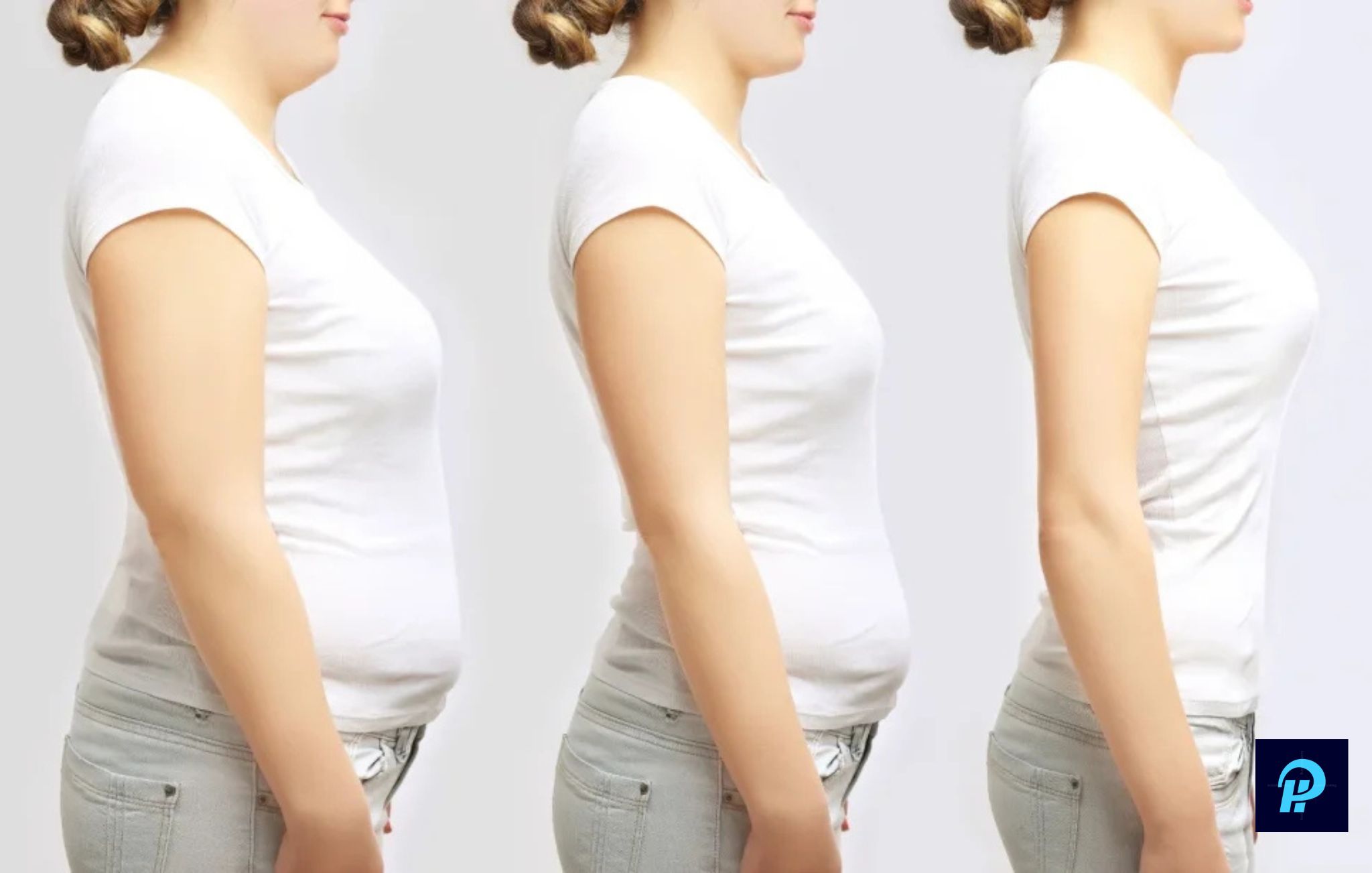
Body changes after pregnancy or significant weight loss can be surprising, even when the journey has been positive. Many people notice excess tissue around the lower abdomen and wonder whether they have an apron belly or a FUPA. Although these terms are often used interchangeably, they are not exactly the same.
Understanding the difference between apron belly vs FUPA can help you set realistic expectations, choose appropriate lifestyle strategies, and better understand what is happening with your body. Both conditions are common and can affect people of different ages, body types, and fitness levels.
This guide explains the key differences, causes, symptoms, and management options while offering a balanced and evidence-based perspective.
| Fact | Details |
|---|---|
| Main Topic | Apron Belly vs FUPA |
| Common After | Pregnancy and Weight Loss |
| Apron Belly Definition | Hanging excess skin and fat from the abdomen |
| FUPA Definition | Fat accumulation above the pubic area |
| Primary Difference | Apron belly includes loose skin; FUPA is mainly fat |
| Causes | Pregnancy, weight gain, weight loss, aging, genetics |
| Physical Symptoms | Chafing, irritation, discomfort, clothing fit issues |
| Health Risk | May increase skin irritation and hygiene challenges |
| Natural Management | Healthy diet, exercise, weight management |
| Exercise Effect | Helps reduce fat but cannot remove excess skin |
| Surgical Options | Panniculectomy, tummy tuck, liposuction |
| Key Takeaway | Apron belly and FUPA are related but not the same condition |
Apron Belly vs FUPA at a Glance
When comparing apron belly vs FUPA, the main difference lies in the location and structure of the tissue involved.
A FUPA typically refers to excess fat located above the pubic area and below the lower abdomen. The term is commonly used in everyday conversation rather than medical settings.
An apron belly, on the other hand, refers to excess skin and fatty tissue that hangs down from the abdomen. Medical professionals may refer to this condition as a pannus or panniculus. In more severe cases, the overhanging tissue can extend over the pubic area and even cover parts of the thighs.
While both conditions may occur after pregnancy or weight loss, an apron belly generally involves a greater amount of loose skin and tissue.
What Is an Apron Belly?
An apron belly develops when excess skin and fat hang from the abdominal area. This often happens after substantial weight gain followed by weight loss, multiple pregnancies, or age-related changes in skin elasticity.
The skin stretches over time to accommodate changes in body size. When weight is lost or after childbirth, the skin may not fully retract. As a result, a fold of tissue can remain, creating the appearance of an apron.
The severity of an apron belly varies widely. Some people have a small overhang that is mostly cosmetic, while others experience significant folds that affect mobility, hygiene, and comfort.
In medical literature, this condition is often associated with the panniculus, which describes the excess tissue hanging from the abdominal wall.
What Is a FUPA?
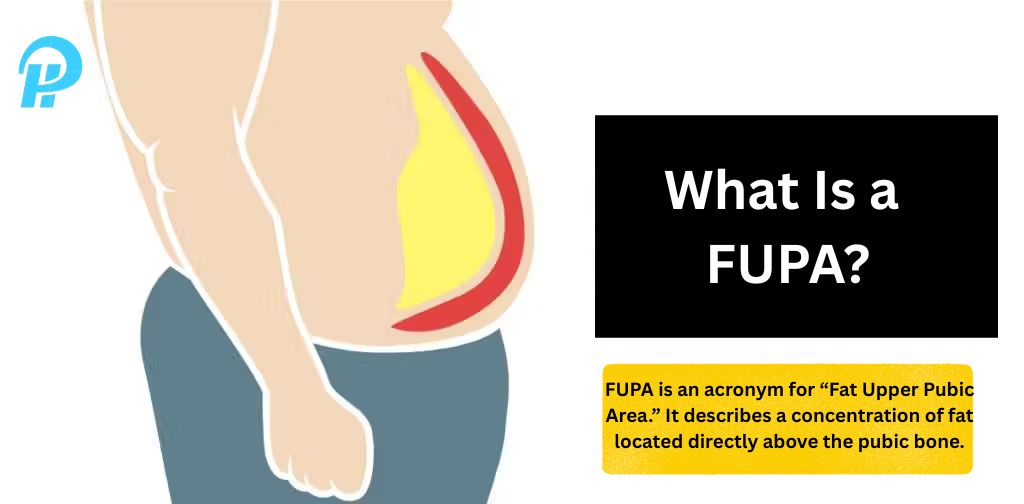
FUPA is an acronym for “Fat Upper Pubic Area.” It describes a concentration of fat located directly above the pubic bone.
Unlike an apron belly, a FUPA is primarily a localized fat deposit rather than a combination of excess skin and fat. It may be visible even in individuals who are otherwise healthy or within a moderate weight range.
Several factors can contribute to the development of a FUPA, including genetics, hormonal changes, pregnancy, aging, and overall body fat distribution.
Because fat storage patterns differ from person to person, some individuals naturally carry more fat in this region regardless of their overall body weight.
Why Pregnancy Changes the Abdomen
Pregnancy places extraordinary demands on the body. As the baby grows, the abdominal muscles stretch, the skin expands, and connective tissues adapt to accommodate the developing fetus.
During this process, hormones such as relaxin increase flexibility in ligaments and tissues. While these changes are essential for childbirth, they can also affect how the abdomen looks afterward.
Many women experience loose skin, weakened abdominal muscles, and changes in fat distribution after delivery. Depending on genetics, age, and the number of pregnancies, these changes may contribute to either a FUPA, an apron belly, or both.
Recovery varies significantly from person to person. Some women regain abdominal firmness relatively quickly, while others continue to notice changes months or years later.
The Impact of Major Weight Loss
Significant weight loss is a remarkable achievement, but it often brings unexpected physical changes.
When the body gains weight, the skin stretches to accommodate the increased volume. If the weight gain remains for a prolonged period, the skin’s elastic fibers may become damaged.
After substantial weight loss, the skin may not completely shrink back to its original shape. This is particularly common in the abdominal area.
As a result, some individuals develop an apron belly due to excess skin. Others may notice a FUPA because the body continues to store fat in the lower abdominal and pubic regions despite overall weight reduction.
The amount of loose skin depends on factors such as age, genetics, smoking history, hydration, and the amount of weight lost.
Key Differences Between Apron Belly and FUPA
Understanding the distinction between apron belly vs FUPA is important because each condition presents differently.
A FUPA is usually limited to the area above the pubic bone. It appears as a rounded bulge or pocket of fat and generally does not involve large amounts of hanging skin.
An apron belly extends from the lower abdomen and forms a noticeable overhang. It often contains both fat and excess skin and can vary greatly in size.
Another difference involves physical discomfort. A FUPA is primarily a cosmetic concern for many individuals. An apron belly, however, may cause skin irritation, sweating, chafing, and difficulty finding comfortable clothing.
The underlying causes also differ. While both conditions can result from pregnancy and weight gain, an apron belly is more strongly associated with skin stretching and tissue laxity.
Common Symptoms and Challenges
Both conditions can affect confidence and body image, but an apron belly may create additional physical challenges.
People with an apron belly sometimes experience skin irritation due to friction between skin folds. Moisture trapped in these areas can increase the risk of rashes and fungal infections.
Mobility may also become more difficult when the overhang is significant. Activities such as exercising, walking long distances, or standing for extended periods can become uncomfortable.
Individuals with a FUPA generally report fewer physical symptoms. However, they may still experience frustration related to clothing fit or body confidence.
It is important to remember that these concerns are common and do not reflect a person’s health, worth, or commitment to fitness.
How to Identify Which One You Have
Determining whether you have an apron belly or a FUPA often comes down to examining the location and nature of the tissue.
If the fullness is concentrated directly above the pubic area and consists mainly of fat, it is likely a FUPA.
If there is a fold of skin and tissue hanging from the lower abdomen, especially one that overlaps the pubic region, it is more consistent with an apron belly.
Some people experience both conditions simultaneously. For example, a person may have excess skin from weight loss along with a localized pocket of fat above the pubic bone.
In cases where discomfort, pain, or skin problems occur, a healthcare professional can provide an accurate assessment.
Can Diet Help?
Nutrition plays a critical role in overall body composition.
A balanced eating plan that emphasizes lean proteins, vegetables, fruits, whole grains, and healthy fats can support gradual fat loss. This may reduce the size of a FUPA over time because the body utilizes stored fat for energy.
However, diet alone cannot eliminate excess skin. This is an important consideration when discussing apron belly vs FUPA.
Many people become discouraged when they lose weight but still notice abdominal folds. In these cases, the remaining tissue may consist largely of stretched skin rather than fat.
Focusing on sustainable eating habits rather than restrictive diets generally leads to better long-term results.
Can Exercise Make a Difference?
Regular physical activity offers numerous benefits for body composition, strength, and overall health.
Cardiovascular exercise helps burn calories and supports fat reduction. Walking, cycling, swimming, and jogging are popular options.
Strength training is equally important because it helps build lean muscle mass. Increased muscle can improve body shape and support a healthier metabolism.
Core-strengthening exercises may enhance abdominal function and posture. While exercises cannot specifically target fat in one area, they can contribute to overall improvements in body composition.
For individuals with an apron belly, exercise may reduce surrounding fat but cannot completely remove excess skin. Nonetheless, physical activity remains one of the most effective tools for improving overall health and well-being.
Medical and Surgical Options
Some individuals explore medical treatments when lifestyle changes do not provide their desired results.
Non-surgical body contouring procedures may offer modest improvements in certain cases. These treatments generally target fat reduction rather than excess skin.
For a FUPA caused primarily by localized fat, procedures such as liposuction may be considered. The suitability of these options depends on individual circumstances and should be discussed with a qualified healthcare provider.
In cases involving a substantial apron belly, surgical procedures such as panniculectomy or abdominoplasty may be recommended. These procedures remove excess skin and tissue from the abdominal area.
Surgery carries potential risks and recovery requirements, so decisions should be made carefully and in consultation with experienced medical professionals.
Emotional Well-Being Matters
Conversations about body shape often focus exclusively on appearance, but emotional health is equally important.
Many people feel self-conscious about abdominal changes after pregnancy or weight loss. Social media and unrealistic beauty standards can make these feelings even stronger.
It is important to recognize that bodies naturally change throughout life. Pregnancy, aging, and weight fluctuations are normal experiences that affect nearly everyone in some way.
Practicing self-compassion and focusing on health rather than perfection can make a meaningful difference. Progress should be measured by improved well-being, strength, and quality of life rather than appearance alone.
Common Myths
One common myth is that an apron belly and a FUPA are exactly the same thing. While they may look similar, they involve different anatomical structures.
Another misconception is that hundreds of abdominal exercises can remove loose skin. Exercise can strengthen muscles and reduce fat, but it cannot fully tighten significantly stretched skin.
Some people also believe that only individuals with obesity develop these conditions. In reality, genetics, pregnancy, and aging can contribute regardless of body size.
Finally, many assume surgery is the only solution. While surgery may help some individuals, healthy lifestyle changes often improve comfort, fitness, and confidence without surgical intervention.
Conclusion
Understanding apron belly vs FUPA is important for anyone navigating body changes after pregnancy or significant weight loss. Although both conditions affect the lower abdominal region, they differ in their causes, appearance, and management approaches.
A FUPA primarily involves localized fat above the pubic area, while an apron belly consists of excess skin and tissue that hangs from the abdomen. Both can be influenced by genetics, pregnancy, aging, and weight fluctuations.
The most effective approach involves realistic expectations, healthy lifestyle habits, and a focus on overall wellness. Whether your goal is improved comfort, better health, or greater confidence, understanding these differences can help you make informed decisions and appreciate the progress your body has already achieved.
Company Website Shopnaclo and the Future of E-Commerce
Frequently Asked Questions
Is an apron belly the same as a FUPA?
No. A FUPA is primarily excess fat above the pubic bone, while an apron belly involves hanging skin and tissue from the abdomen.
Can pregnancy cause both conditions?
Yes. Pregnancy can contribute to both excess abdominal skin and fat accumulation in the lower abdominal region.
Does weight loss remove an apron belly?
Weight loss may reduce fat, but excess skin can remain if significant stretching occurred.
Can exercise reduce a FUPA?
Exercise can help reduce overall body fat, which may decrease the size of a FUPA over time.
Why does loose skin develop after weight loss?
The skin may lose elasticity after prolonged stretching and may not fully retract following weight loss.
Can men develop an apron belly or FUPA?
Yes. Both conditions can affect men and women.
Is surgery always necessary?
No. Many people manage their condition successfully through lifestyle changes and supportive care.
How long does postpartum recovery take?
Recovery varies greatly. Some changes improve within months, while others may persist longer.
Can genetics affect abdominal fat distribution?
Yes. Genetics strongly influence where the body stores fat.
When should I see a doctor?
Consult a healthcare professional if you experience pain, skin infections, mobility issues, or concerns about treatment options.