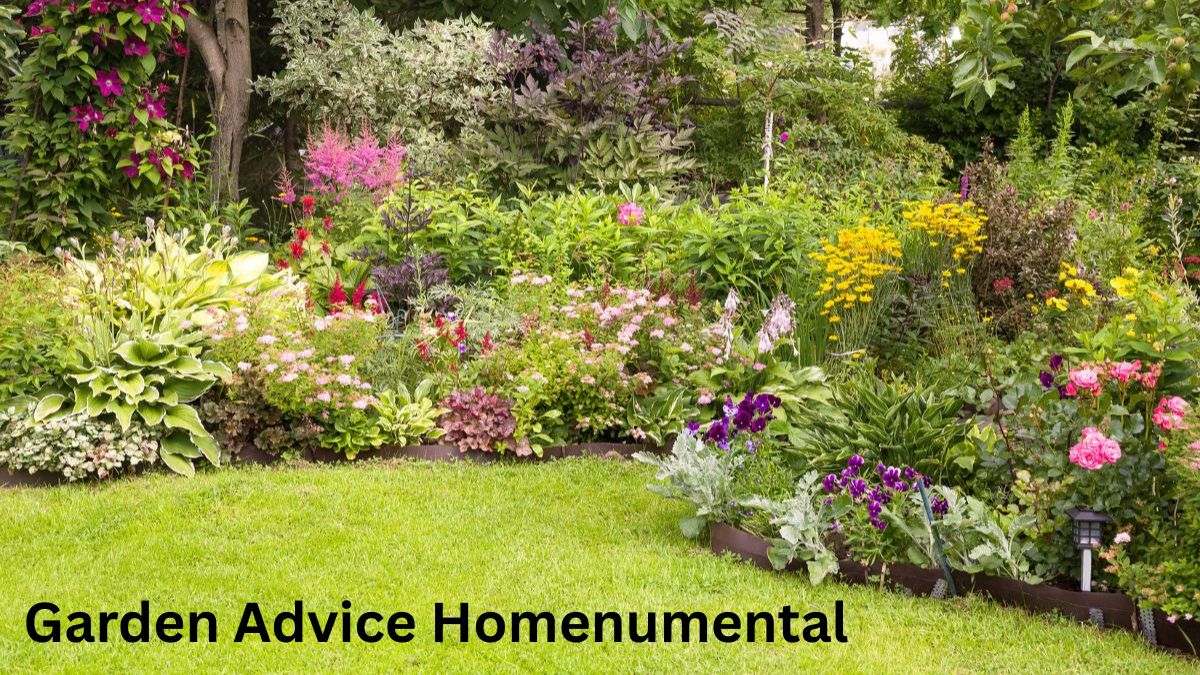
If you’ve ever dreamed of turning your outdoor space into a lush, thriving paradise, then garden advice homenumental is exactly what you need. This concept goes beyond basic gardening tips it’s about creating something meaningful, beautiful, and sustainable right at home. Whether you have a small balcony, a backyard, or a sprawling landscape, the right approach can transform your space into a personal sanctuary.
Gardening isn’t just about planting seeds and watering them. It’s an art, a science, and a deeply rewarding experience. With the right strategies, you can create a garden that reflects your personality while also supporting the environment. In this comprehensive guide, we’ll explore practical, creative, and expert-level insights that will help you master the art of gardening the homenumental way.
Understanding the Concept of Garden Advice Homenumental
The idea behind garden advice homenumental is to treat your garden as more than just a patch of greenery. It’s about designing a space that feels monumental something that stands out, inspires, and evolves over time. This approach combines aesthetics, functionality, and sustainability to create a garden that truly feels like an extension of your home.
At its core, this gardening philosophy emphasizes intentional design. Instead of randomly placing plants, you carefully plan layouts, consider color combinations, and think about how different elements interact. For example, pairing flowering plants with evergreens ensures year-round visual appeal. Adding pathways, seating areas, or water features can elevate your garden from simple to spectacular.
Another key aspect is personalization. Your garden should reflect your lifestyle and preferences. If you enjoy relaxation, include cozy seating and calming plants like lavender. If you love entertaining, design open spaces for gatherings. The homenumental approach encourages creativity while maintaining harmony, making your garden both practical and visually stunning.
Planning Your Garden Layout for Maximum Impact
A successful garden starts with a well-thought-out plan. When applying garden advice homenumental, layout design becomes a crucial step. Begin by analyzing your spaceconsider sunlight exposure, soil quality, and available area. These factors will determine what plants will thrive and where they should be placed.
Zoning is an effective strategy for organizing your garden. Divide your space into functional areas such as a relaxation zone, a planting zone, and a decorative section. This not only improves usability but also enhances the visual structure of your garden. For instance, a central lawn surrounded by flower beds creates a balanced and inviting look.
Another important element is vertical space. Many gardeners overlook this, but using walls, trellises, or hanging planters can significantly increase your planting area. Vertical gardening is especially useful for small spaces, allowing you to grow herbs, flowers, and even vegetables without crowding the ground.
Finally, consider pathways and accessibility. A homenumental garden should be easy to navigate. Use materials like stone, gravel, or wood to create paths that guide visitors through your space. This adds both functionality and a sense of exploration, making your garden more engaging.
Choosing the Right Plants for a Thriving Garden
Plant selection is one of the most important aspects of garden advice homenumental. The right combination of plants can make your garden vibrant, resilient, and easy to maintain. Start by choosing plants that are suitable for your climate and soil conditions. Native plants are often the best choice because they require less water and care.
Diversity is key to creating a balanced ecosystem. Incorporate a mix of perennials, annuals, shrubs, and trees to ensure year-round interest. Flowering plants add color, while foliage plants provide texture and depth. This variety not only enhances the visual appeal but also supports pollinators like bees and butterflies.
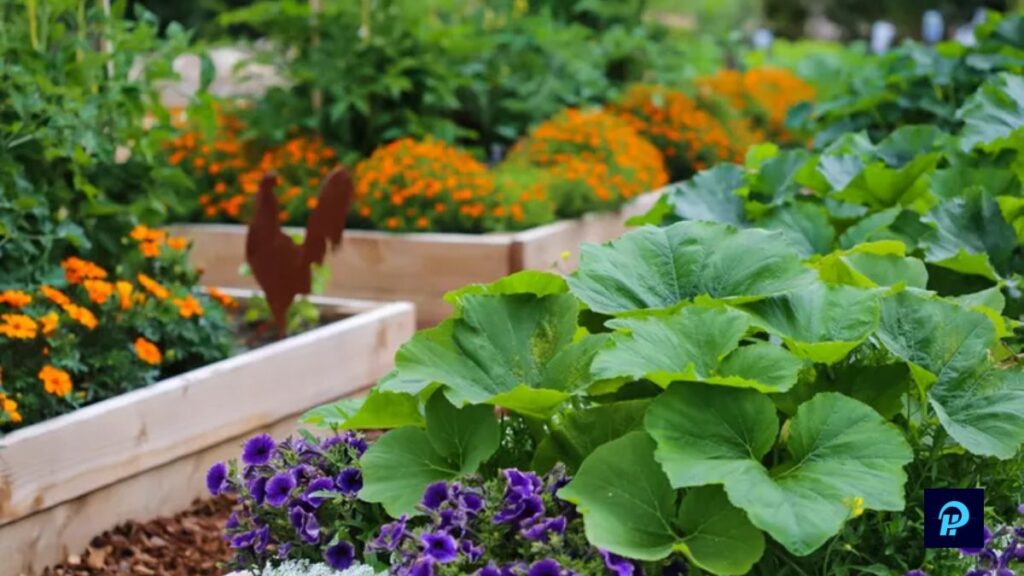
Another factor to consider is maintenance. While exotic plants may look attractive, they often require more care. If you’re a beginner or have limited time, opt for low-maintenance options such as succulents, ornamental grasses, or hardy perennials. These plants are forgiving and can thrive with minimal effort.
Seasonal planning is also essential. Choose plants that bloom at different times of the year to keep your garden lively throughout all seasons. By carefully selecting and arranging your plants, you can achieve a garden that looks stunning no matter the time of year.
Sustainable Gardening Practices for Long-Term Success
Sustainability is a cornerstone of garden advice homenumental. A truly monumental garden isn’t just beautiful it’s environmentally responsible. By adopting eco-friendly practices, you can reduce waste, conserve resources, and create a healthier ecosystem.
One of the simplest ways to practice sustainability is through composting. Turning kitchen scraps and garden waste into compost enriches your soil and reduces the need for chemical fertilizers. This natural approach improves soil structure and promotes healthy plant growth.
Water conservation is another critical aspect. Use techniques like drip irrigation, mulching, and rainwater harvesting to minimize water usage. Mulch, in particular, helps retain soil moisture, suppress weeds, and regulate temperature, making it an essential tool for any gardener.
Additionally, avoid harmful pesticides and opt for natural pest control methods. Introducing beneficial insects, such as ladybugs, can help keep pests under control. Companion planting is another effective strategy—certain plants naturally repel pests or enhance the growth of neighboring plants.
By incorporating these sustainable practices, you not only protect the environment but also create a garden that thrives naturally over time.
Enhancing Your Garden with Creative Design Elements
A homenumental garden isn’t complete without creative design elements that elevate its overall appeal. Decorative features can transform your garden from ordinary to extraordinary, making it a space you’ll love spending time in.
Start with focal points. These are elements that draw attention and create visual interest. Examples include a fountain, a sculpture, or a uniquely shaped tree. Placing a focal point strategically can anchor your garden design and make it more cohesive.
Lighting is another powerful tool. Outdoor lighting not only enhances safety but also adds a magical ambiance to your garden at night. Use soft, warm lights to highlight pathways, plants, and decorative features. This creates a welcoming and enchanting atmosphere.
Furniture and accessories also play a significant role. Comfortable seating, colorful cushions, and decorative pots can add personality to your space. Choose materials that are durable and weather-resistant to ensure longevity.
Finally, don’t forget about seasonal decorations. Adding elements like festive lights or themed ornaments can keep your garden fresh and exciting throughout the year. These small touches make a big difference in creating a space that feels alive and ever-changing.
Conclusion: Garden Advice Homenumental
Embracing garden advice homenumental means rethinking how you approach gardening. It’s about creating a space that is not only beautiful but also meaningful, sustainable, and uniquely yours. By focusing on thoughtful design, smart plant selection, and eco-friendly practices, you can transform any outdoor area into a stunning retreat.
Remember, gardening is a journey, not a destination. Your garden will evolve over time, reflecting your growth and creativity. With patience and dedication, you can build a space that brings joy, relaxation, and inspiration every day.
tips decoradyard: 10 Creative Ways to Refresh Your Outdoor Space This Season
FAQs About Garden Advice Homenumental
1. What does “garden advice homenumental” mean?
It refers to a comprehensive approach to gardening that combines design, sustainability, and personalization to create impactful outdoor spaces.
2. Is Garden Advice Homenumental suitable for small spaces?
Yes, it works for all spaces, including balconies and small yards, especially with vertical gardening techniques.
3. What are the best plants for beginners?
Low-maintenance plants like succulents, herbs, and native species are ideal for beginners.
4. How can I make my garden more sustainable?
Use composting, conserve water, and avoid chemical pesticides to promote eco-friendly gardening.
5. How often should I water my garden?
It depends on the plants and climate, but most gardens benefit from deep, less frequent watering.
6. What is the importance of garden layout planning?
A well-planned layout ensures better plant growth, accessibility, and visual appeal.
7. Can I create a homenumental garden on a budget?
Absolutely. Start small, reuse materials, and gradually add features over time.
8. How do I maintain my garden year-round?
Choose seasonal plants, mulch regularly, and perform routine maintenance like pruning.
9. What are some creative garden design ideas?
Incorporate pathways, lighting, water features, and decorative elements for a unique look.
10. How long does it take to see results in a garden?Garden Advice Homenumental
Some plants grow quickly, but a fully developed garden may take months or years to mature.
Garden Advice Homenumental