









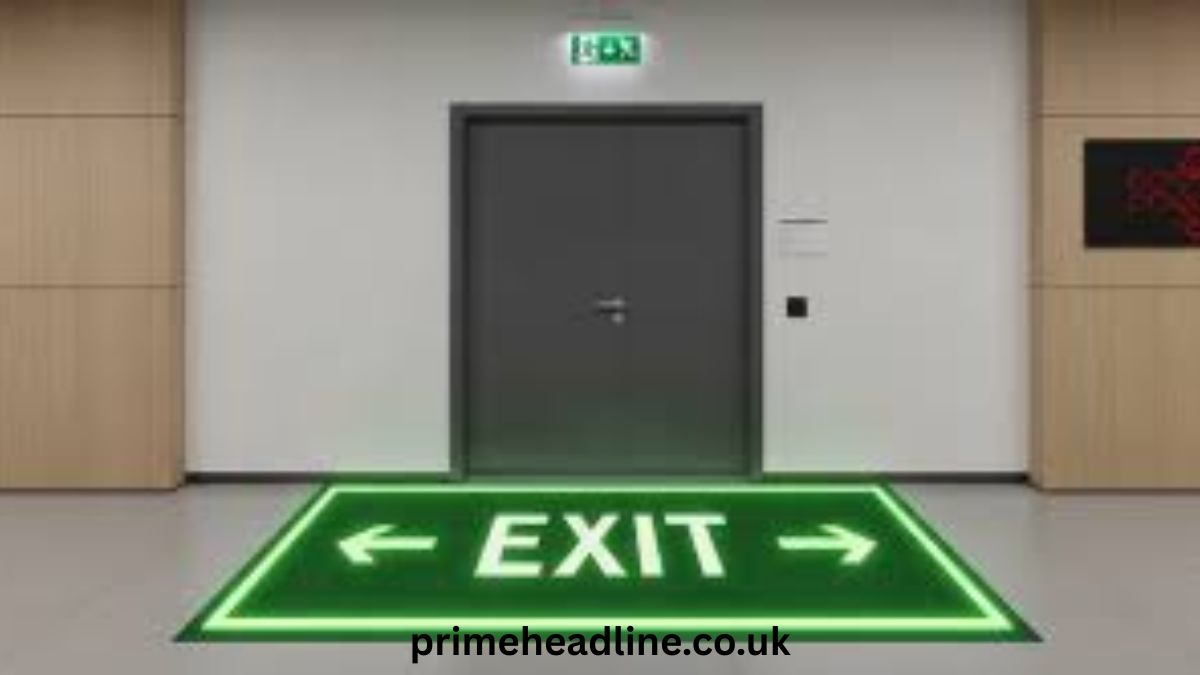
In today’s fast-paced world, safety is no longer an afterthought it’s a necessity. One often overlooked yet critically important component of building safety is the exitsignmat. Whether in commercial complexes, hospitals, schools, or residential buildings, exitsignmats play a vital role in guiding people safely during emergencies.
An exitsignmat is more than just a visual indicator it combines functionality, durability, and smart design to ensure that exit routes are clearly marked and easily accessible. In high-stress situations like fires or power outages, even a few seconds can make a difference, and having clear, visible exit guidance can save lives. This article dives deep into everything you need to know about , from their importance and design to installation and maintenance.
What is an exitsignmat and Why is it Essential?
An exitsignmat is a specially designed mat or surface marking that highlights exit routes and emergency pathways. Unlike traditional exit signs mounted on walls or ceilings, are installed on floors or entryways, providing a ground-level visual cue that remains visible even in smoky or low-visibility conditions. exitsignmat This makes them especially useful in emergencies where standing signage may be obscured.
The importance of exitsignmats lies in their ability to enhance safety and compliance. In emergencies such as fires, earthquakes, or power failures, people often panic and lose their sense of direction. A clearly marked floor path can provide immediate guidance, reducing confusion and improving evacuation efficiency. These mats are particularly beneficial in crowded environments like shopping malls, airports, and stadiums where quick, organized exits are critical.
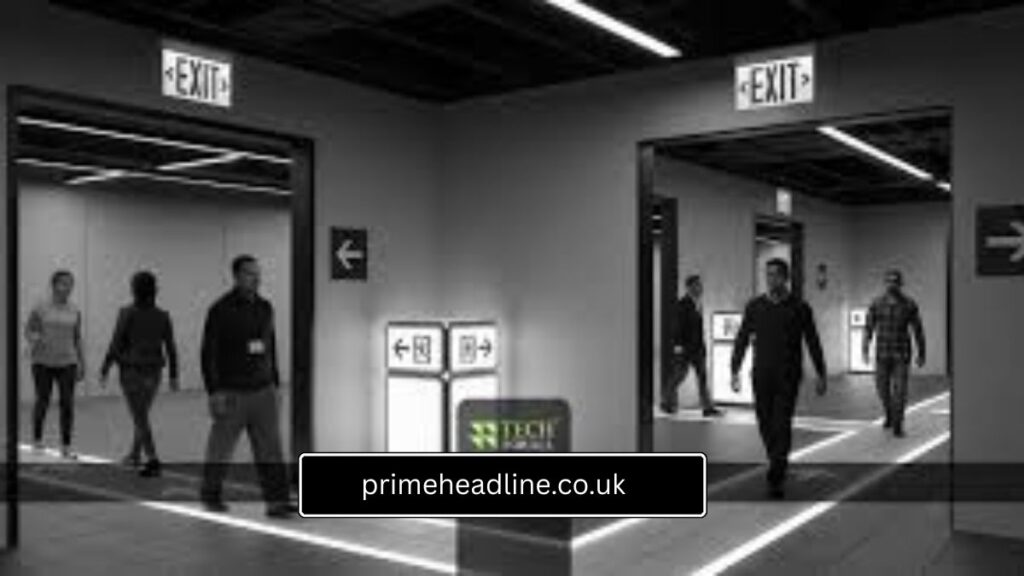
Moreover, exitsignmats contribute to regulatory compliance. Many safety standards now emphasize multi-level exit visibility, meaning exit paths should be marked at both eye level and ground level. By incorporating building owners can meet these requirements while also demonstrating a commitment to occupant safety.
Key Features and Design Elements of exitsignmat
One of the defining aspects of a high-quality exitsignmat is its design. These mats are typically made using durable materials such as rubber, vinyl, or photoluminescent compounds. Photoluminescent exitsignmats are especially popular because they absorb ambient light and glow in the dark, ensuring visibility even during power outages.
Another key feature is slip resistance. Since are placed on floors, they must provide a secure footing to prevent accidents during evacuations. Many designs include textured surfaces or anti-slip coatings that enhance grip, even in wet conditions. exitsignmat This combination of visibility and safety makes a dual-purpose solution.
Design customization is also an important factor. Exitsignmats can be tailored to match building aesthetics while still maintaining compliance with safety standards. They may include arrows, directional indicators, or universally recognized exit symbols. The use of bold colors like green and white ensures high visibility, while reflective elements further enhance their effectiveness in low-light environments.
Applications of exitsignmat in Different Industries
The versatility of makes it suitable for a wide range of industries. In commercial buildings such as offices and shopping centers, help guide employees and customers toward emergency exits quickly and efficiently. These environments often have complex layouts, making floor-level guidance particularly valuable.
In healthcare facilities, exitsignmats are crucial for patient safety. Hospitals and clinics house individuals who may have limited mobility or require assistance during evacuations. Clear, visible exit paths can significantly improve evacuation times and reduce risks. Additionally, can be integrated into sterile environments without compromising hygiene standards.
Educational institutions also benefit greatly from Schools and universities often conduct fire drills and emergency preparedness training, and having clear exit markings reinforces these practices. For younger students, visual cues at floor level are easier to follow, making an effective safety tool.
Industrial settings such as factories and warehouses also rely on. These environments often have heavy machinery, low lighting, and potential hazards that can obscure traditional signage. A well-placed exitsignmat ensures that workers can quickly identify safe exit routes, even in challenging conditions.
Installation and Maintenance Best Practices for exitsignmat
Proper installation is key to maximizing the effectiveness of an exitsignmat. These mats should be placed along designated escape routes, near doorways, and at decision points such as intersections or staircases. Strategic placement ensures that occupants can easily follow the path without confusion.
Before installation, it is important to assess the building layout and identify high-traffic areas. should be securely fixed to the floor to prevent movement or curling, which could pose a tripping hazard. Professional installation is often recommended to ensure compliance with safety regulations and optimal performance.
Maintenance is equally important. Over time, dirt, wear, and environmental factors can reduce the visibility and effectiveness of. Regular cleaning using non-abrasive methods helps maintain their appearance and functionality. For photoluminescent mats, ensuring adequate exposure to light is essential to maintain their glow-in-the-dark properties.
Periodic inspections should also be conducted to check for damage or wear. Replacing worn-out promptly ensures that safety standards are consistently met. A well-maintained not only enhances safety but also reflects a proactive approach to risk management.
Benefits of Using exitsignmat in Modern Architecture
The integration of into modern architecture offers numerous benefits beyond basic safety. One of the most significant advantages is improved emergency preparedness. By providing clear, consistent guidance, help occupants respond quickly and confidently during emergencies.
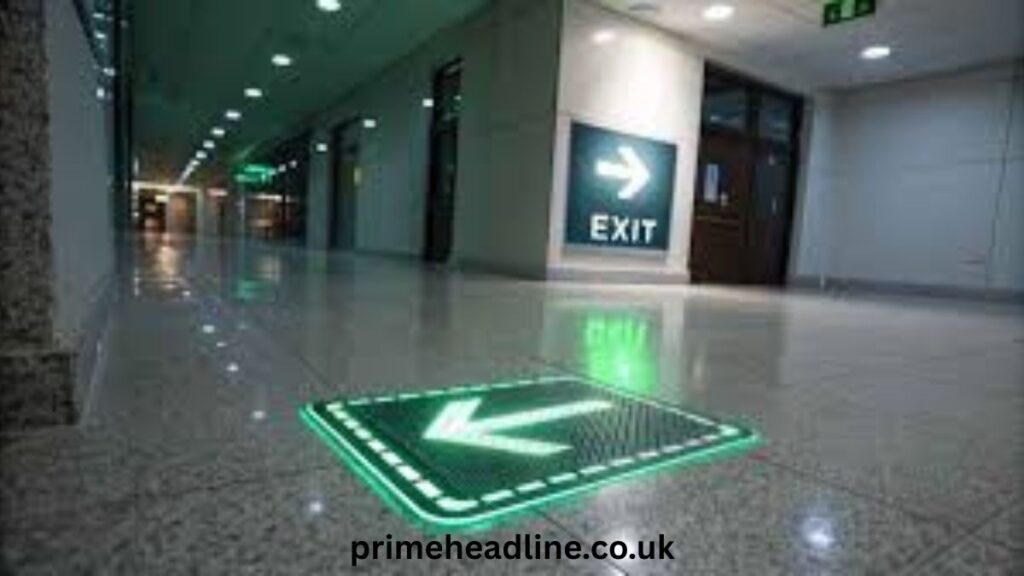
Another benefit is enhanced accessibility. are particularly useful for individuals with disabilities or limited mobility. Floor-level indicators are easier to follow for wheelchair users and those who may have difficulty seeing elevated signage. This inclusivity makes an essential component of universal design.
From an aesthetic perspective, can be seamlessly integrated into building interiors. Modern designs allow for customization in color, pattern, and branding, ensuring that safety features do not compromise visual appeal. This balance between form and function is highly valued in contemporary architecture.
Additionally, contribute to cost efficiency. By reducing the risk of accidents and improving evacuation procedures, they can help minimize potential liabilities and insurance costs. Investing in exitsignmats is not just a safety measure it’s a smart financial decision for building owners.
Conclusion
The exitsignmat is a simple yet powerful tool that plays a critical role in ensuring safety and compliance in modern buildings. From enhancing visibility during emergencies to improving accessibility and design integration, exitsignmats offer a comprehensive solution for effective evacuation planning.
As safety standards continue to evolve, the importance of multi-level exit guidance becomes increasingly evident. Incorporating into building design is not just a regulatory requirement it’s a commitment to protecting lives. Whether you’re managing a commercial property, designing a new facility, or upgrading existing safety systems, exitsignmats are an essential investment for a safer future.
newsflashburst com: A Complete Guide to Features, Content, Legitimacy, and User Experience
FAQs
What is an exitsignmat used for?
An exitsignmat is used to mark exit routes on floors, helping guide people safely during emergencies.
Are exitsignmats required by law?
In many regions, safety regulations recommend or require multi-level exit markings, including floor indicators like.
What materials are made of?
They are typically made from rubber, vinyl, or photoluminescent materials for durability and visibility.