

Introduction
Mango lassi is one of those drinks that instantly brings comfort with every sip. Thick, creamy, slightly sweet, and naturally refreshing, it has become a favorite not only across South Asia but also in cafés around the world. What makes it so special is its simplicity just mangoes, yogurt, and a few balancing ingredients but the final taste feels rich and indulgent.
Many people assume that café-style mango lassi is difficult to recreate at home. In reality, the difference usually comes down to ingredient quality, texture control, and small preparation techniques. Once you understand these basics, you can easily prepare a glass that tastes just as good if not better than what you find outside.
This guide explores everything you need to know about mango lassi, from its background and ingredients to step-by-step preparation and expert tips for achieving that perfect creamy texture.
| Label | Information |
|---|---|
| Name | Mango Lassi |
| Type | Traditional yogurt-based drink |
| Main Ingredient | Mango and yogurt |
| Flavor Profile | Sweet, creamy, slightly tangy |
| Origin | South Asian cuisine |
| Texture | Thick and smooth |
| Serving Style | Chilled drink |
| Best Time to Enjoy | Summer or after meals |
| Key Benefit | Cooling and refreshing |
| Popular Variations | Banana, saffron, protein lassi |
| Preparation Time | 5–10 minutes |
| Difficulty Level | Very easy |
| Serving Occasion | Snack, dessert, or beverage |
What is Mango Lassi
At its core, mango lassi is a yogurt-based drink blended with ripe mangoes and sweetener. It belongs to the traditional family of lassi drinks, which have been part of South Asian cuisine for centuries. The base ingredient is always yogurt, which gives the drink its signature thickness and tangy balance.
Unlike regular fruit juices or smoothies, mango lassi is richer and more filling. The yogurt adds a creamy body that makes it feel more like a dessert drink than a simple refreshment. In many households, it is served alongside meals, especially during warmer months when cooling foods are preferred.
What makes mango lassi stand out is its balance sweet mango flavor combined with mild tartness and a smooth, velvety texture.
A Traditional Drink with Deep Roots
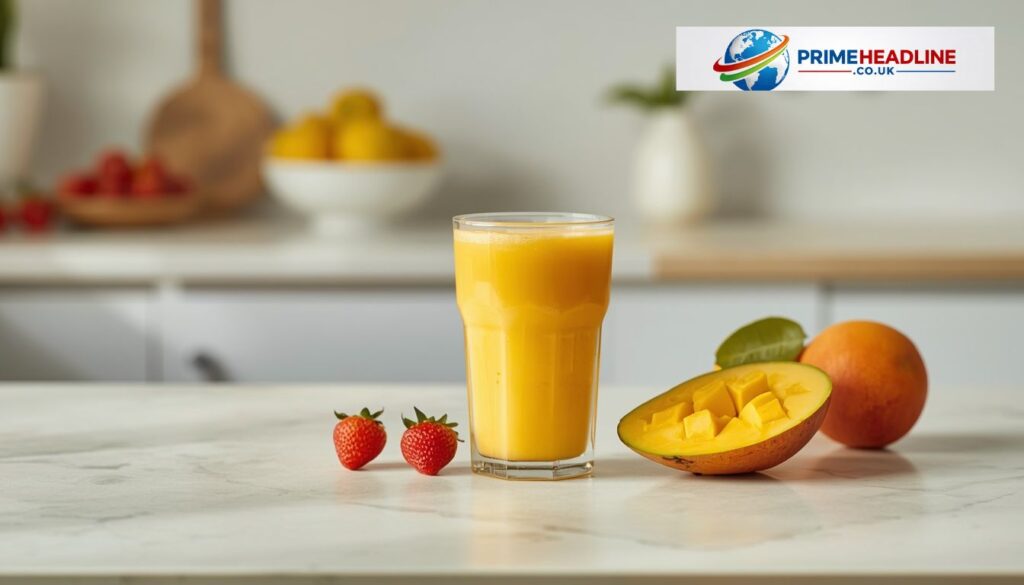
The origins of lassi trace back to the Indian subcontinent, where yogurt has long been a daily dietary staple. Traditionally, lassi was simply yogurt blended with water and salt or sugar, often used to cool the body and aid digestion in hot climates.
Mango lassi is a more modern variation that likely developed as mango cultivation became widespread and more refined mango varieties were introduced. Mangoes have been cultivated in South Asia for thousands of years and are often referred to as the “king of fruits” in the region.
Over time, blending mango pulp with yogurt became a natural evolution, especially in households looking for refreshing summer drinks. Today, it is enjoyed globally and is a staple in many Indian restaurants and cafés.
Why Mango Lassi is So Loved
There are several reasons why mango lassi has gained worldwide popularity.
First, it has a universally appealing flavor profile. The sweetness of ripe mangoes blends beautifully with the mild tang of yogurt, creating a balanced taste that is neither too heavy nor too light.
Second, it is incredibly versatile. It can be served as a drink, a snack, or even a light dessert. Many people enjoy it after spicy meals because it cools the palate.
Third, it feels indulgent but is made from simple, wholesome ingredients. There are no artificial complexities just natural fruit and dairy coming together.
Finally, its texture is what truly sets it apart. A well-made mango lassi is thick enough to sip slowly, almost like a drinkable dessert.
Ingredients That Matter
To make a truly café-style mango lassi, ingredient quality plays a major role.
The main components include:
Ripe mangoes or mango pulp
The mango is the heart of the drink. Sweet, fragrant varieties work best. Fresh mangoes offer natural depth, while canned pulp provides consistency.
Thick yogurt
Full-fat yogurt is preferred because it creates a richer texture. Thin yogurt results in a watery consistency, which affects the final taste.
Milk or water
Milk is often added to soften the thickness, while water creates a lighter version. Cafés usually adjust this depending on customer preference.
Sweetener
Sugar or honey is used depending on the natural sweetness of the mangoes. In some cases, no extra sweetener is needed.
Ice cubes (optional)
Ice helps chill the drink instantly, but too much can dilute the flavor.
Optional ingredients like cardamom, saffron, or rose water are often used in traditional variations to enhance aroma and depth.
Choosing the Right Mangoes
The quality of mango lassi depends heavily on the type of mango used. Not all mangoes produce the same result.
Fleshy, low-fiber, and naturally sweet mangoes are ideal. Varieties like Alphonso, Kesar, and Ataulfo are commonly preferred because of their smooth pulp and rich flavor.
Fresh mangoes should be fully ripe. A ripe mango usually has a sweet aroma near the stem and yields slightly when pressed.
If fresh mangoes are not available, good-quality mango pulp is a reliable alternative. Many cafés use pulp for consistency, especially during off-season months.
How to Make Mango Lassi Like a Café
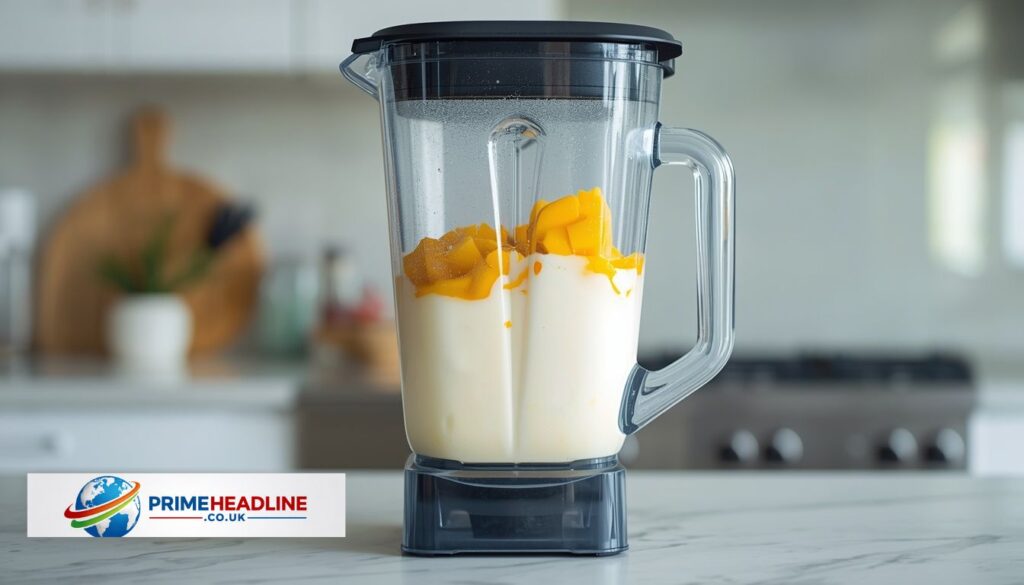
Creating a creamy mango lassi at home is simple once you follow the right process.
Start by preparing your ingredients. Peel and chop fresh mangoes or measure out mango pulp. Make sure your yogurt is chilled, as temperature affects texture.
Next, blend the mangoes with yogurt and a small amount of milk. The goal is to achieve a smooth, lump-free mixture. A high-speed blender helps create that silky café-style finish.
Taste the mixture before adding sweetener. Depending on the ripeness of the mango, you may not need much sugar at all.
Blend again briefly after adjusting sweetness. The final texture should be thick but pourable, not runny.
Pour into a tall glass and serve immediately. For presentation, a light garnish of chopped pistachios or a pinch of cardamom adds a café-style touch.
Pro Tips for Perfect Texture
A café-style mango lassi is all about texture control.
Using chilled ingredients helps maintain thickness. Warm yogurt or room-temperature mangoes can make the drink thinner.
Full-fat yogurt creates a richer mouthfeel compared to low-fat versions. This is one of the key differences between homemade and café versions.
Frozen mango chunks can be used instead of ice to avoid dilution while still keeping the drink cold.
Blending time also matters. Over-blending can make the drink too airy, while under-blending leaves an uneven texture.
Common Mistakes to Avoid
Even simple recipes can go wrong if a few details are ignored.
One common mistake is using unripe mangoes. This results in a sour or bland taste that cannot be fixed with sugar alone.
Another issue is adding too much liquid. Excess milk or water makes the drink lose its signature creamy body.
Over-sweetening is also common. Mangoes already contain natural sugar, so it is better to adjust gradually.
Lastly, serving mango lassi warm or at room temperature reduces its refreshing quality. It should always be served chilled.
Popular Variations
One of the best things about mango lassi is its flexibility.
A mango banana lassi adds natural thickness and a slightly different sweetness profile. It is often preferred for a more filling drink.
A saffron mango lassi introduces a subtle aroma and golden color, making it more festive.
A protein mango lassi uses Greek yogurt or added protein powder, popular among fitness enthusiasts.
For those who prefer lighter options, a low-sugar version can be made using naturally sweet mangoes and skipping added sweeteners.
How to Serve Mango Lassi
Presentation enhances the experience of mango lassi.
It is typically served in tall glasses, often chilled beforehand. In cafés, it may be topped with a sprinkle of crushed nuts or a light swirl of cream.
It pairs well with spicy foods such as grilled dishes, curries, and rice-based meals. The cooling effect of yogurt balances heat and spice, making it a popular accompaniment in many cuisines.
It can also be enjoyed on its own as a refreshing afternoon drink.
Nutrition and Benefits
Beyond taste, mango lassi offers several nutritional benefits.
Mangoes are rich in vitamins, particularly vitamin C and vitamin A, which support immunity and skin health. They also provide natural sugars for quick energy.
Yogurt contributes probiotics, which are beneficial for digestion. It also provides calcium and protein, making the drink more nourishing than typical fruit juices.
However, portion control matters. Since mango lassi contains natural sugars and dairy, it is best enjoyed in moderation as part of a balanced diet.
How to Find the Best Sonso Yuca Near Me in 2026
Frequently Asked Questions
Can mango lassi be made without yogurt?
Yes, but it becomes closer to a smoothie. Yogurt is what gives it the signature tang and thickness.
Which mangoes are best?
Sweet, non-fibrous varieties like Alphonso and Kesar are ideal for smooth texture and rich flavor.
Can frozen mangoes be used?
Yes, frozen mangoes work well and can even improve thickness.
Is mango lassi healthy?
In moderation, yes. It provides vitamins, probiotics, and natural energy.
How can I make it thicker?
Use full-fat yogurt, reduce liquid, or add frozen mango chunks.
Conclusion
Mango lassi is more than just a drink it is a blend of tradition, flavor, and comfort in a glass. Its simplicity is what makes it special, yet small details like mango selection, yogurt quality, and blending technique determine whether it tastes ordinary or café-style.
Once you master the basics, it becomes a highly adaptable recipe that can be customized to your taste. Whether you enjoy it as a refreshing summer drink, a dessert alternative, or a complement to spicy meals, mango lassi remains one of the most satisfying homemade beverages you can prepare.
With the right balance of ingredients and care in preparation, you can easily bring café-quality richness into your own kitchen.