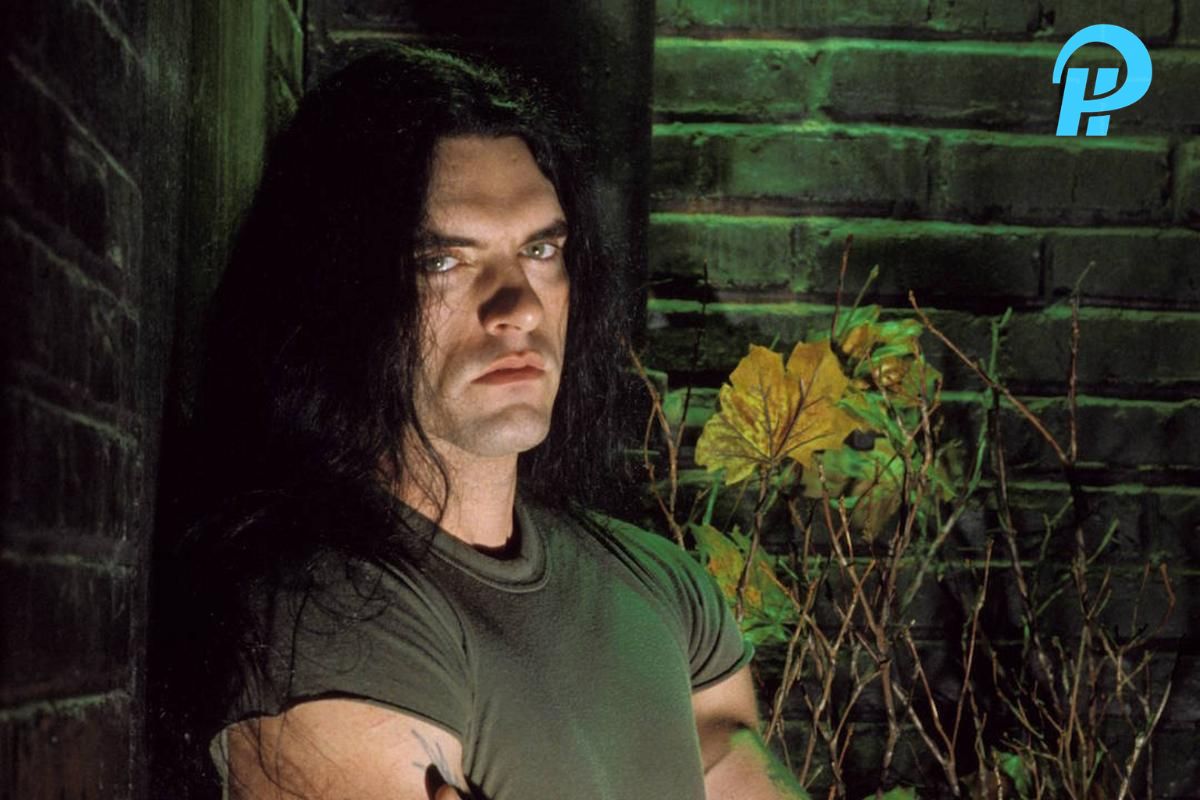
Peter Steele’s voice could fill a room like distant thunder deep, resonant, and impossible to ignore. At 6’8” with jet-black hair and a pale, imposing frame, he looked like the kind of man who might haunt your nightmares. Yet those who knew him or followed his work often spoke of a sensitive, humorous, and deeply conflicted soul beneath the gothic exterior.
As the driving force behind Type O Negative, Peter Steele crafted a sound that blended doom, gothic rock, and dark humor into something entirely its own. Decades after his passing, his music still resonates with anyone who has wrestled with pain, love, or the absurdity of existence. This is the story of the man, the myth, and the madness that defined him.
BIO
| Full Name | Peter Thomas Ratajczyk |
|---|---|
| Born | January 4, 1962, Brooklyn, New York |
| Died | April 14, 2010 (Age 48) |
| Height | 6’8″ (203 cm) |
| Band | Type O Negative |
| Main Role | Vocals, Bass Guitar |
| Genres | Gothic Metal, Doom Metal |
| Years Active | 1979–2010 |
| Notable Albums | Bloody Kisses, October Rust |
| Signature Song | Black No. 1 |
| Known For | Deep baritone voice & dark lyrics |
| Struggles | Depression, addiction |
| Legacy | Icon of gothic metal scene |
Early Life: Brooklyn Roots and First Steps
Peter Thomas Ratajczyk was born on January 4, 1962, in Red Hook, Brooklyn. He grew up in a Catholic family as the youngest of six children and the only boy surrounded by five older sisters. His father, a Polish-American who had served in World War II and worked at a shipyard, and his mother, of Scottish-Irish and Italian descent, provided a working-class household grounded in tradition.
Life in Brooklyn left its mark. Steele attended Edward R. Murrow High School in Midwood and started playing guitar at age 12 before switching to bass. The towering height he inherited from his father made him stand out from an early age, something that both empowered and isolated him. He worked for the New York City Department of Parks and Recreation, a job that kept him grounded even as his musical ambitions grew.
His early bands, like Fallout and Carnivore, showed glimpses of the intensity to come. Carnivore’s thrashier, more aggressive style reflected Steele’s initial explorations of heavy music influenced by Black Sabbath and The Beatles. These foundations would later evolve into something slower, heavier, and far more atmospheric.
The Rise of Type O Negative
In 1989, Steele formed Type O Negative with guitarist Kenny Hickey, keyboardist Josh Silver, and drummer Sal Abruscato (later replaced by Johnny Kelly). The band started as a way to channel deeper emotions than his previous projects allowed. Their 1991 debut, Slow, Deep and Hard, was raw and confrontational, but it was the 1993 album Bloody Kisses that changed everything.
Bloody Kisses went platinum, driven by tracks like “Black No. 1 (Little Miss Scare-All)” and “Christian Woman.” Steele’s rich baritone voice, combined with the band’s mix of doom riffs, gothic melodies, and tongue-in-cheek lyrics, created a unique niche. They weren’t just playing metal—they were creating a world of romance, heartbreak, and self-deprecation that felt honest in its darkness.
Follow-up albums like October Rust (1996) and World Coming Down (1999) refined this sound. Steele’s songwriting grew more introspective, exploring themes of addiction, lost love, and mortality with unflinching clarity. The band’s image vampiric aesthetics, provocative visuals—added to the mythology, but it was always rooted in Steele’s real personality.
The Man Behind the Myth
Peter Steele was more complex than the “Green Man” persona suggested. He possessed a dry, sarcastic wit that shone in interviews. Friends and bandmates described him as intelligent, loyal, and surprisingly gentle despite his intimidating presence. He loved bodybuilding, animals, and horticulture, often tending to plants with the same care he put into his music.
His relationships were passionate but turbulent. Public heartbreak fueled some of his most memorable lyrics. Steele lived for years in his family’s Brooklyn basement, caring for his mother, which revealed a devoted son beneath the rock star exterior. He was open about his vulnerabilities in interviews, discussing everything from faith to fear of abandonment.
This authenticity connected with fans. Steele didn’t pretend to have it all figured out. His lyrics often felt like late-night confessions set to crushing riffs—raw, poetic, and sometimes uncomfortably honest.
The Madness: Inner Demons
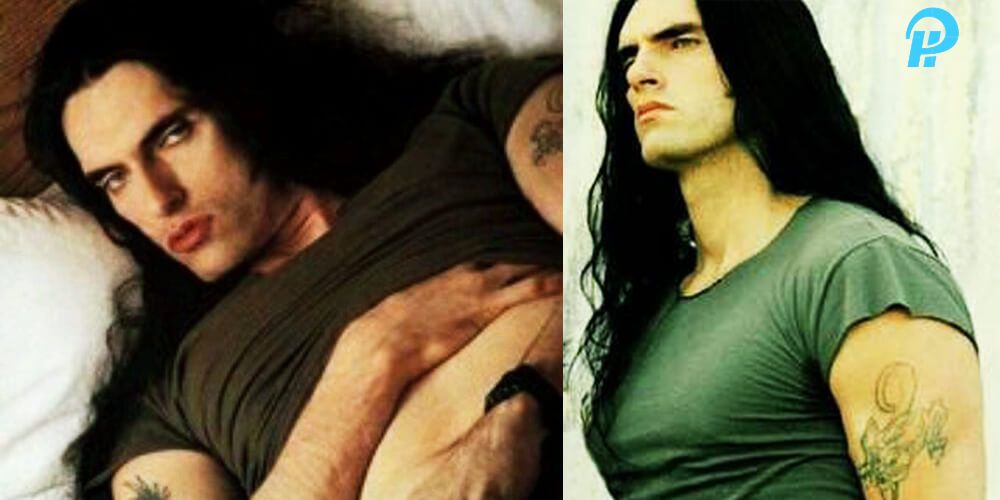
No honest look at Peter Steele can ignore his struggles. He battled depression, alcoholism, and cocaine addiction for years. He spoke candidly about suicidal thoughts and a 1990s death hoax that mirrored his own dark humor about mortality. At one point, he served jail time after an altercation and sought treatment for substance abuse and bipolar disorder.
These demons directly shaped his art. Albums like World Coming Down capture the weight of addiction and despair in haunting detail. Steele once described music as a form of therapy, a way to process pain that might otherwise consume him. His height and public image sometimes masked how deeply he felt things—sensitivity wrapped in a giant’s frame.
Even during periods of sobriety, the shadows lingered. He expressed regret over some choices, particularly starting cocaine in his mid-30s. Yet he kept creating, pushing forward with a mix of resignation and black humor that became his trademark.
Musical Legacy and Powerful Works
Peter Steele’s catalog with Type O Negative stands as a cornerstone of gothic metal. From the crushing opener of Slow, Deep and Hard to the more melodic October Rust, his bass lines and vocals defined the band’s identity. Songs like “Love You to Death,” “Everything Dies,” and “September Sun” showcase his ability to blend beauty with brutality.
His vocal delivery—low, brooding, and expressive—set him apart. Steele wasn’t a traditional screamer or high-pitched wailer; he used his natural baritone like an instrument, creating atmosphere as much as melody. Later albums like Dead Again (2007) showed growth, mixing heavier riffs with reflective lyrics as he faced his own mortality.
Beyond Type O Negative, his influence appears in countless bands that followed. The gothic metal scene owes him a debt for proving that heavy music could be emotionally vulnerable without losing its edge. His work continues to soundtrack moments of heartbreak and introspection for new generations.
Death and the Aftermath
On April 14, 2010, Peter Steele died at age 48 in Scranton, Pennsylvania. Initial reports cited heart failure, but the official cause was sepsis stemming from diverticulitis. The news shocked the music world. Tributes poured in from fans and fellow musicians who recognized the loss of a singular voice.
Type O Negative effectively ended with him. The remaining members chose not to continue without Steele, honoring the irreplaceable nature of his contributions. His death added another layer to the myth—another rock figure gone too soon, his life a cautionary tale intertwined with artistic brilliance.
Why Peter Steele Still Matters
More than fifteen years later, Peter Steele’s work feels remarkably relevant. In an era where mental health conversations are more open, his lyrics about depression, addiction, and loneliness hit with renewed power. Young listeners discovering Type O Negative often describe his music as comforting in its honesty—it reminds them they’re not alone in their struggles.
His influence extends beyond music into discussions about authenticity and the cost of creativity. Steele showed that strength and vulnerability can coexist. He wasn’t a flawless hero or a tragic caricature. He was a man who turned personal chaos into something beautiful and lasting.
For new fans, starting with Bloody Kisses or October Rust offers the best entry point. Listen closely, and you’ll hear not just the myth, but the human heart beating underneath.
Peter Steele left us with more questions than answers about life, love, pain, and what it means to keep going. His voice still echoes through speakers and headphones, reminding us that even in darkness, there can be connection, humor, and unexpected beauty. The man is gone, but the music and the honest exploration of the human condition he left behind lives on
How to Use Page Size Checker by Spellmistake to Speed Up Your Website
Frequently Asked Questions
When and how did Peter Steele die? Peter Steele passed away on April 14, 2010, at the age of 48. The official cause was sepsis caused by diverticulitis, which led to heart complications. His death came as a shock to fans, though he had been dealing with health issues in his final years.
What was Peter Steele’s biggest contribution to music? He created a unique sound with Type O Negative that mixed doom metal, gothic rock, and dark humor. His signature baritone voice and emotionally raw lyrics helped shape the gothic metal genre and influenced many bands that followed.
Did Peter Steele struggle with mental health and addiction? Yes. He was open about his battles with depression, alcoholism, and cocaine addiction. These experiences deeply influenced his songwriting, giving his music an honest and often painful edge that many listeners still connect with today.
What are the best Peter Steele albums to start with? Most fans recommend beginning with Bloody Kisses (1993) for its breakthrough hits, followed by October Rust (1996) for its more melodic and atmospheric sound. These two albums best showcase his range and emotional depth.
Is Peter Steele still relevant in 2026? Absolutely. His lyrics about loneliness, heartbreak, and mental health feel even more timely now. New generations continue discovering Type O Negative, finding comfort in the raw honesty that defined his work.