Linux gaming has changed dramatically over the last few years. What once felt complicated and limited has now become far more accessible for everyday gamers. Thanks to platforms like Steam, Proton compatibility tools, modern graphics drivers, and community-driven optimization methods, Linux users can now enjoy thousands of games with smoother performance than ever before.
This growing interest has also increased searches for tech hacks pblinuxgaming, especially among beginners who want practical ways to improve gaming performance without spending money on expensive hardware upgrades. Many players are discovering that Linux offers flexibility, customization, and system control that traditional gaming operating systems sometimes lack.
The best part is that you do not need to be a Linux expert to get started. A few smart changes can improve loading times, reduce lag, stabilize frame rates, and make your overall gaming experience more enjoyable. Whether you are switching from Windows or trying Linux gaming for the first time, learning the right gaming hacks can save time and frustration.
Understanding Tech Hacks PBLinuxGaming
The phrase tech hacks pblinuxgaming generally refers to practical optimization methods, settings adjustments, and Linux gaming improvements that help players get better performance from their systems. These are not risky shortcuts or complicated developer tricks. Most are simple performance tweaks that make Linux gaming smoother and more stable.
Linux gaming has become more popular because modern tools now support a huge number of games. Valve’s Proton compatibility layer allows many Windows games to run directly on Linux through Steam. According to Valve’s Steam Deck and Proton development updates, compatibility improvements continue to expand each year, making Linux gaming more realistic for casual and competitive players alike.
Many beginners are surprised to discover how customizable Linux can be. Unlike locked systems, Linux allows users to control background processes, desktop environments, system resources, and performance settings more directly. That freedom is one reason why gaming communities continue sharing new optimization tips and tweaks.
Why Linux Gaming Is Growing
For many years, gamers avoided Linux because game support was limited. Today, that situation looks very different. Major companies now support Linux gaming more seriously, especially after the success of the Steam Deck.
Valve’s Proton project helped transform Linux gaming by making many Windows-based games playable on Linux systems. Modern distributions such as Ubuntu, Pop!_OS, Nobara, and Linux Mint now offer beginner-friendly gaming support with easier driver installation and better hardware compatibility.
Another reason for Linux gaming growth is system efficiency. Linux distributions often use fewer system resources than some other operating systems. That lighter system usage can improve gaming responsiveness, especially on older hardware.
Many gamers also appreciate the privacy and control Linux offers. Instead of unnecessary background services constantly consuming resources, Linux systems can be optimized more cleanly for gaming performance.
Choosing the Right Linux Distribution
One of the first important steps for beginners is selecting the right Linux distribution. Not every Linux version is ideal for gaming, especially for new users.
Ubuntu remains a popular beginner choice because of its stability and large support community. Linux Mint is also beginner-friendly and easy to navigate for users switching from Windows. Pop!_OS has become well known for gaming because it includes optimized NVIDIA driver support and performance-focused features.
Some advanced gamers prefer Arch Linux or Fedora, but beginners often benefit from choosing something simpler first. The goal is stability, compatibility, and easy software management rather than unnecessary complexity.
A good gaming distribution should offer strong driver support, easy software installation, and reliable updates. Beginners who focus on these basics usually have a smoother experience.
Installing Essential Gaming Tools
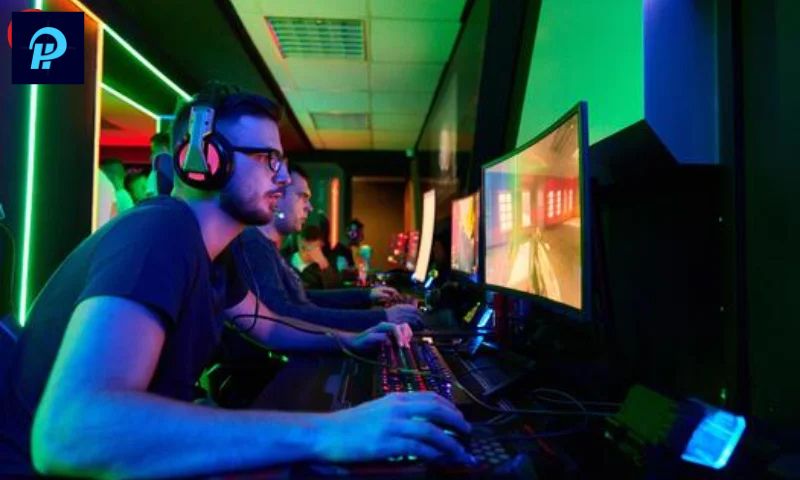
Linux gaming becomes much easier once the right software is installed. Steam is the most important starting point for most gamers because it supports Proton and native Linux games.
Proton is a compatibility layer developed by Valve that helps Windows games run on Linux. ProtonDB, a community-driven compatibility database, shows how well thousands of games perform under Linux systems. Many popular titles now run surprisingly well through Proton.
Graphics drivers are another essential part of gaming performance. NVIDIA users should install the latest proprietary drivers for better optimization. AMD users often benefit from Mesa drivers, which are integrated strongly into Linux gaming systems.
GameMode is another useful tool developed by Feral Interactive. It temporarily optimizes system performance during gaming sessions by adjusting CPU governor settings and resource management. Many Linux gamers use it because it improves stability with minimal effort.
Graphics Driver Optimization
One of the most important tech hacks pblinuxgaming beginners should learn is proper driver optimization. Outdated graphics drivers can reduce FPS, create stuttering, and cause compatibility issues.
NVIDIA users usually achieve better performance using official proprietary drivers rather than open-source alternatives. AMD graphics cards often perform very well with Linux’s open-source Mesa drivers, which receive frequent improvements.
Driver updates matter because game engines continue evolving. New updates improve Vulkan support, compatibility layers, and GPU performance. According to gaming benchmarks published by Phoronix, driver improvements alone can significantly increase Linux gaming performance in some games.
Keeping drivers updated is one of the easiest and safest gaming optimizations available.
Proton Compatibility Tips
Proton has become the heart of modern Linux gaming. Beginners who understand Proton quickly unlock access to thousands of playable games.
Steam allows users to enable Proton directly through compatibility settings. Different Proton versions sometimes work better for different games, so testing multiple versions can improve stability and FPS.
Community recommendations are valuable here. ProtonDB often includes useful user reports explaining which settings work best for specific games. Some players share launch commands, controller fixes, and performance tweaks that save hours of troubleshooting.
Understanding Proton is one of the smartest long-term investments for Linux gamers.
Reducing Background Processes
Many beginners overlook how much system performance is wasted on unnecessary background applications. Linux systems can become far more responsive when unused services are disabled.
Web browsers, update managers, startup applications, and visual effects can all consume RAM and CPU power. Closing unnecessary applications before launching games often improves FPS consistency and reduces lag spikes.
Lightweight desktop environments such as XFCE or KDE Plasma can also improve gaming responsiveness on lower-end systems. These environments generally consume fewer resources than heavier graphical interfaces.
The goal is not to remove important system functions. Instead, it is about giving games higher priority access to hardware resources.
Storage Optimization
Storage speed directly affects loading times, update performance, and open-world texture streaming. Solid-state drives have become one of the biggest gaming improvements available for Linux users.
Games installed on SSDs load faster and generally feel smoother during gameplay. Open-world titles especially benefit from faster storage because textures and assets load more efficiently.
Keeping sufficient free space on your drive also matters. Nearly full drives can slow system responsiveness and reduce performance consistency. Regular cleanup of unnecessary game files, cache folders, and unused applications helps maintain stability.
File system health is another overlooked factor. Linux tools allow users to monitor disk usage and identify performance problems before they become serious.
Improving FPS Without Hardware Upgrades
Not every gamer can afford expensive GPU upgrades. Fortunately, several Linux gaming tweaks improve performance without new hardware.
Lowering shadows, reflections, anti-aliasing, and unnecessary visual effects often creates major FPS improvements while maintaining solid visual quality. Many competitive gamers intentionally lower settings for smoother gameplay.
Resolution scaling can also help. Slightly lowering internal rendering resolution improves performance significantly in demanding games.
Using Vulkan instead of older graphics APIs can also improve frame pacing and reduce CPU overhead. Vulkan support continues growing across Linux gaming systems because it offers better performance potential for modern hardware
Common Linux Gaming Problems
Beginners often experience a few common issues during their first Linux gaming setup. Fortunately, most problems have straightforward solutions.
Games failing to launch usually involve missing libraries, incompatible Proton versions, or outdated drivers. Verifying game files and testing another Proton version often fixes the issue.
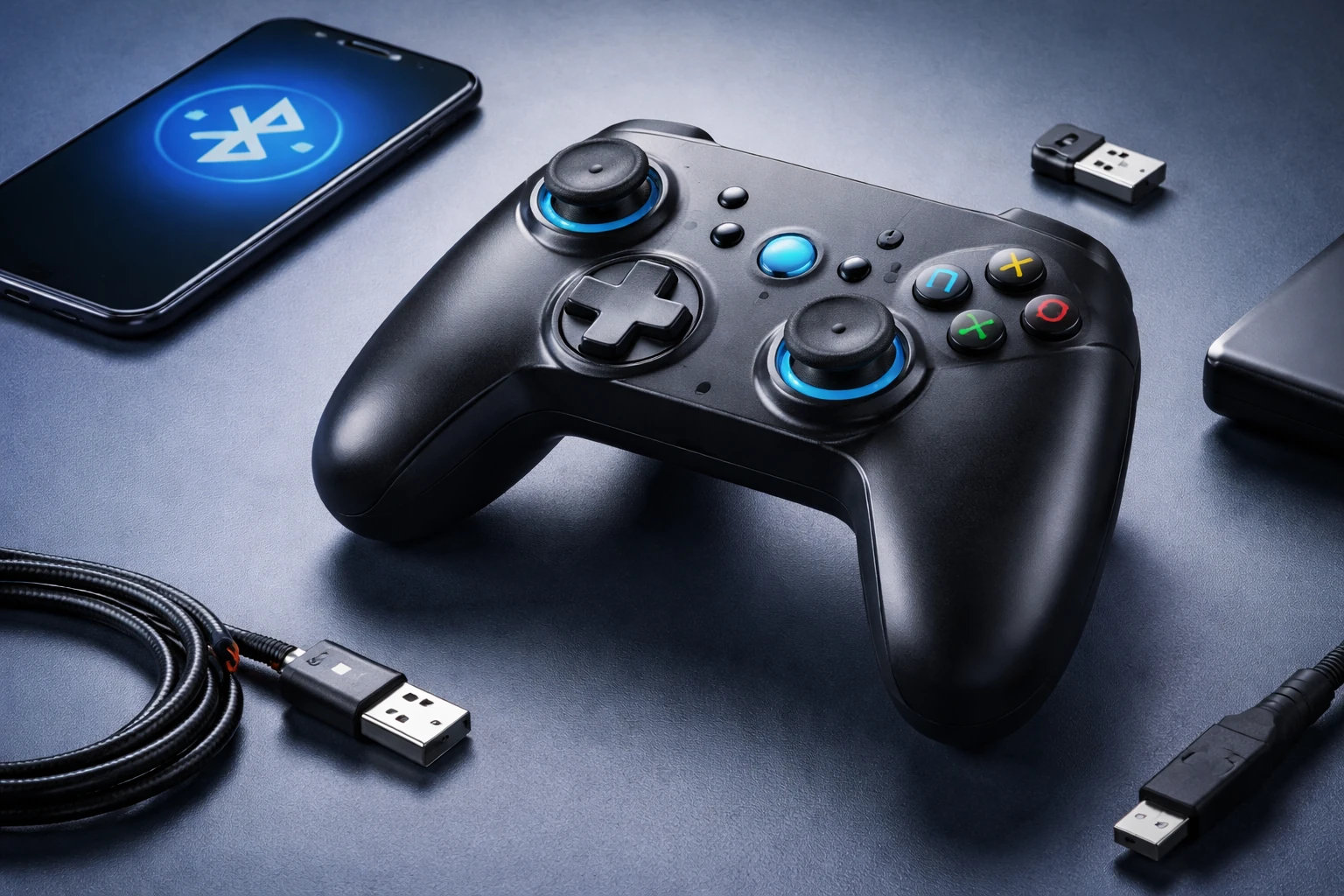
Controller problems are another frequent concern. Modern Linux systems support Xbox and PlayStation controllers well, but some games require manual configuration inside Steam settings.
Audio issues sometimes appear after updates or hardware changes. Linux audio systems such as PipeWire and PulseAudio continue improving, but checking output devices and restarting sound services often resolves basic problems.
Network performance can also affect online gaming. Firewall settings, background downloads, and unstable Wi-Fi connections sometimes create unnecessary latency.
Monitoring System Performance
Monitoring tools help gamers understand how their systems behave during gameplay. Linux offers excellent monitoring software for beginners.
Tools like MangoHud provide real-time overlays showing FPS, CPU usage, GPU temperatures, RAM usage, and frame timing. This information helps identify bottlenecks and performance issues.
Temperature monitoring is especially important for gaming laptops. Overheating can trigger thermal throttling, which lowers performance automatically to protect hardware.
Understanding system behavior helps beginners make smarter optimization decisions instead of randomly changing settings.
Why Linux Appeals to Gamers
Linux attracts gamers because it offers flexibility. Users can customize nearly every aspect of their systems, from desktop environments to performance scheduling.Open-source development also creates strong gaming ommunities. Linux users regularly share fixes, compatibility reports, performance tweaks, and troubleshooting guides. This collaborative environment helps beginners learn quickly.
Privacy is another factor. Many gamers appreciate having more control over updates, telemetry, and background processes. Linux systems often feel cleaner and more efficient because users decide what runs on their computers.
For some players, Linux gaming also feels rewarding because it encourages learning and customization rather than passive system use.
Beginner Mistakes to Avoid
One major mistake beginners make is installing too many tweaks at once. Random performance scripts found online can create instability rather than improvement.
Another common mistake is ignoring driver updates. Drivers directly affect gaming compatibility and performance, so staying updated matters.
Some users also expect every Windows game to work perfectly on Linux immediately. Compatibility has improved dramatically, but certain anti-cheat systems and unsupported games may still have issues.
Patience helps a lot during the learning process. Linux gaming improves steadily over time as users become more comfortable with system tools and optimization methods.
Advanced Tweaks for Future Growth
Once beginners feel comfortable, they can explore deeper Linux gaming optimizations. Custom kernels designed for gaming workloads sometimes improve responsiveness and scheduling efficiency.
Learning basic terminal commands also helps with troubleshooting and package management. Linux command-line tools often provide faster system control compared to graphical interfaces.
Some gamers experiment with lightweight desktop environments for additional performance gains. Others customize swap behavior, CPU governors, or GPU power profiles for better optimization.
These advanced tweaks are optional, but they show how flexible Linux gaming can become over time.
The Community Advantag
One of the strongest parts of Linux gaming is the community. Forums, Reddit groups, GitHub projects, and gaming websites constantly share fixes and improvements.
Unlike closed ecosystems, Linux gaming communities openly discuss problems and solutions. Beginners can usually find help quickly because many users have experienced similar issues before.
This shared knowledge helps Linux gaming continue growing faster each year.
Is Linux Gaming Worth It?
For many gamers, the answer is yes. Linux gaming has improved enough that casual players, indie fans, and even some competitive gamers now use it daily.
The combination of Proton compatibility, lower system overhead, open-source customization, and strong community support makes Linux more practical than ever.
It may still require some learning, especially compared to plug-and-play systems, but many players find the extra control and efficiency worthwhile.
Conclusion
Learning tech hacks pblinuxgaming is less about complicated technical knowledge and more about understanding how to make your system work smarter. Small changes like updating drivers, enabling Proton, reducing background processes, and monitoring performance can create major improvements in gaming stability and responsiveness.
Linux gaming is no longer a niche experiment reserved for advanced users. It has become a realistic and rewarding option for beginners who want flexibility, performance, and control over their gaming environment.
The most important thing is to start simple. Learn one tweak at a time, test what works best for your hardware, and gradually build confidence. Over time, Linux gaming becomes less intimidating and far more enjoyable.
With patience, curiosity, and the right optimization habits, beginners can turn Linux into a powerful and reliable gaming platform that continues improving year after year.
Clongarelli Exploring the Legacy, Innovation, and Global Influence Behind the Name
FAQs
What is PBLinuxGaming?
PBLinuxGaming refers to Linux gaming optimization methods, tools, and performance tweaks that help gamers improve gameplay, compatibility, and overall system efficiency.
Is Linux good for beginner gamers?
Yes, modern Linux distributions are much more beginner-friendly than before. Platforms like Steam and Proton make it easier to install and play many popular games smoothly.
What is Proton in Linux gaming?
Proton is a compatibility tool developed by Valve that allows many Windows games to run on Linux through Steam without major setup issues.
Can Linux gaming improve performance on older PCs?
In many cases, yes. Linux often uses fewer system resources, which can help older hardware run games more smoothly compared to heavier operating systems.
What are the best tech hacks PBLinuxGaming users recommend?
The most recommended hacks include updating graphics drivers, enabling GameMode, reducing background processes, optimizing storage, and using Proton for better game compatibility.