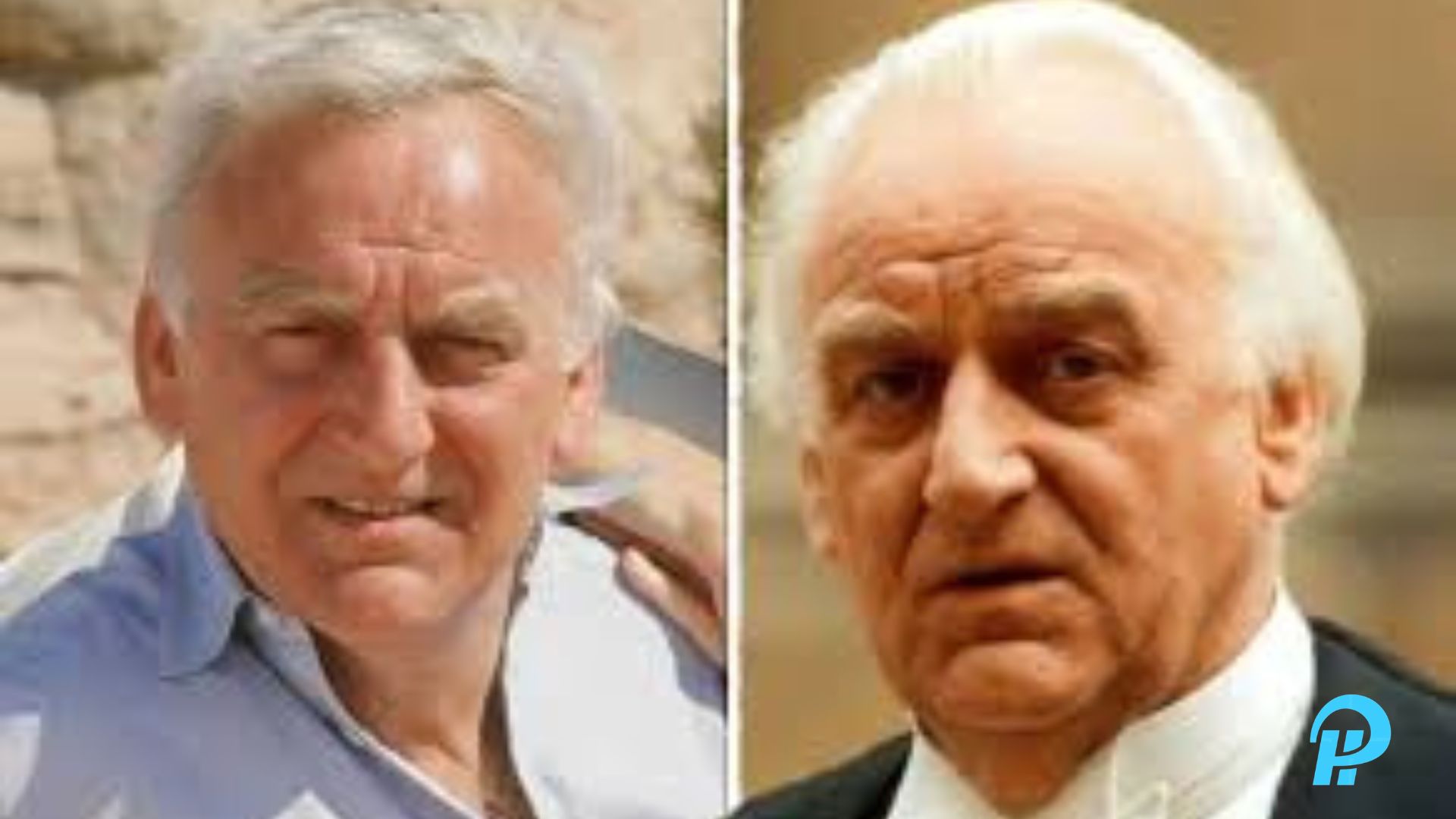
John Thaw remains one of the most respected actors in British television history. For many viewers, he was more than simply a performer on screen. He represented a style of acting that felt honest, intelligent, and deeply human. Whether audiences knew him as the tough detective in The Sweeney or the thoughtful Inspector Morse, his performances carried emotional depth that stayed with people long after the credits ended.
When John Thaw died in February 2002, the news shocked fans across Britain and beyond. Many people felt that television had lost one of its finest actors far too early. He was only 60 years old, still admired by audiences, and still connected to future acting opportunities. His passing marked the end of an era for British drama, especially for viewers who had followed his career for decades.
Even today, years after his death, John Thaw continues to be remembered with affection and respect. His performances remain part of television history, and his legacy still influences British crime dramas and character-driven storytelling.
Early Life
John Edward Thaw was born on January 3, 1942, in Manchester, England. His childhood was not easy. He grew up in a working-class environment and faced emotional difficulties from a young age. According to public biographies, his mother left the family when he was still a child, leaving him and his brother largely raised by their father.
These early experiences shaped much of Thaw’s personality. Many people who later worked with him described him as private, thoughtful, and emotionally complex. There was often a seriousness in his performances that seemed connected to real-life experience.
Despite struggling academically during his early school years, he discovered a passion for acting. He later attended the Royal Academy of Dramatic Art, where he developed the skills that would eventually make him one of Britain’s most recognizable television actors.
Beginning His Career
Like many actors of his generation, John Thaw began with theatre work and smaller television roles. His early years in entertainment were not instantly glamorous. He worked steadily, taking opportunities where he could find them and gradually building experience.
His first major television success came with the series Redcap during the 1960s. The role helped establish him as a serious television actor capable of playing emotionally intense characters. However, it was during the 1970s that his fame truly expanded.
The breakthrough arrived with The Sweeney, a gritty British police drama in which Thaw played Detective Inspector Jack Regan. The show changed the image of police dramas in Britain. It was rougher, faster, and more realistic than many earlier television series. Thaw’s performance was powerful and convincing, making him one of the biggest television stars in the country.
Becoming Inspector Morse
Although The Sweeney made him famous, it was Inspector Morse that made John Thaw unforgettable. Beginning in 1987, Thaw played Detective Chief Inspector Endeavour Morse, a brilliant but emotionally complicated detective based on the novels by Colin Dexter.
Morse was different from many television detectives. He loved classical music, literature, opera, and crossword puzzles. He could be stubborn, lonely, intelligent, and deeply reflective. John Thaw brought humanity to the character in a way that connected strongly with audiences.
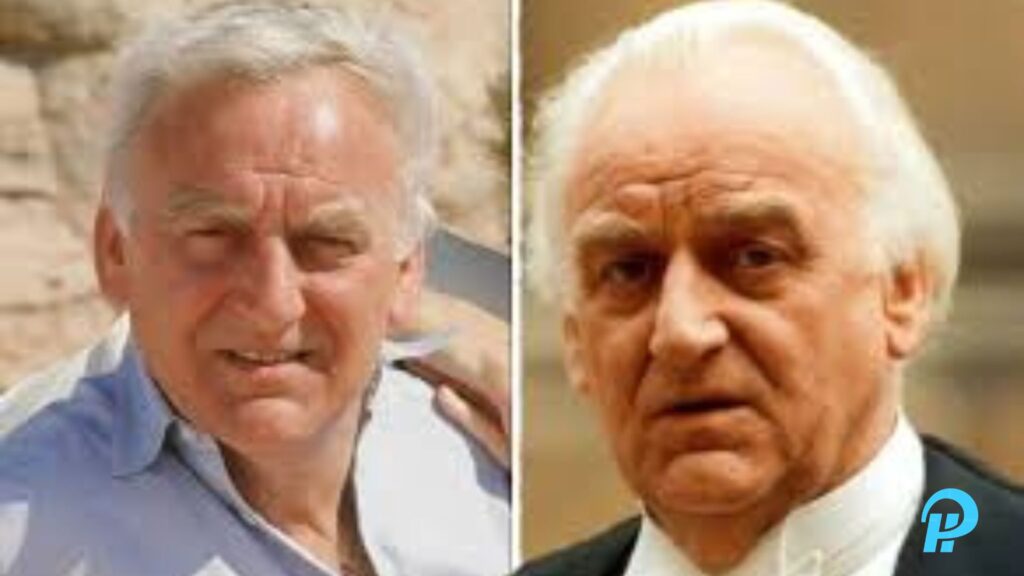
The success of Inspector Morse became enormous. At its peak, the series attracted millions of viewers in Britain and gained international popularity as well. Critics praised Thaw’s ability to make Morse both difficult and sympathetic at the same time.
For many people, the role became inseparable from the actor himself. Even now, decades later, John Thaw is still closely associated with Inspector Morse.
BIO
| Full Name | John Edward Thaw |
|---|---|
| Popular Name | John Thaw |
| Birth Date | January 3, 1942 |
| Birth Place | Manchester, England |
| Profession | Actor |
| Nationality | British |
| Famous Role | Inspector Morse |
| Other Known Works | The Sweeney, Kavanagh QC |
| Spouse | Sheila Hancock |
| Years Active | 1960–2002 |
| Date of Death | February 21, 2002 |
| Age at Death | 60 Years |
| Cause of Death | Esophageal Cancer |
A Career Beyond Morse
Although Morse became his most famous role, John Thaw’s career included much more than detective dramas. He appeared in films, stage productions, and other television series throughout his life.
He starred in Kavanagh QC, where he played a barrister known for integrity and intelligence. The role once again demonstrated his ability to portray complex professional characters with emotional realism.
Thaw also worked with director Richard Attenborough in films such as Cry Freedom and Chaplin. His performances earned critical praise and showed his range beyond television drama.
One reason audiences respected him so much was because he rarely gave shallow performances. Whether playing a detective, lawyer, or dramatic supporting role, he brought seriousness and authenticity to the screen.
Personal Life
Away from acting, John Thaw lived a relatively private life. He was married to actress Sheila Hancock, and their relationship became one of the best-known partnerships in British entertainment. The two met while working together in theatre during the late 1960s. They married in 1973 and remained together until his death.
Their relationship was often described as loving but emotionally intense. Hancock later wrote openly about their life together, describing both the closeness and challenges within their marriage.
Thaw was also a father and stepfather. Despite his fame, he generally avoided celebrity culture and preferred a quieter lifestyle away from constant publicity. Colleagues often described him as generous, intelligent, and deeply committed to his work.
Health Struggles
One of the saddest parts of the story surrounding John Thaw died is the connection between his illness and his long history of smoking. Public reports noted that he began smoking at a very young age and continued heavily for much of his life. He was also known for heavy drinking earlier in life before eventually becoming sober during the 1990s.
In 2001, Thaw was diagnosed with oesophageal cancer, also known as esophageal cancer. The diagnosis shocked fans and the entertainment industry. Initially, there was hope that treatment might work. Reports at the time suggested he underwent chemotherapy and appeared optimistic about recovery.
However, the illness progressed quickly. By late 2001, it became clear that the cancer had spread and his condition was terminal. The news was heartbreaking for those who admired him because he still seemed full of creative life and professional energy.
Continuing to Work
One thing that impressed many people during his illness was John Thaw’s determination to continue working. Even while dealing with serious health problems, he remained committed to acting projects and professional responsibilities.
This dedication reflected his personality. Acting was not simply a job for him. It was something deeply connected to his identity. Colleagues often described him as intensely professional and fully committed whenever he stepped onto a set.
Reports later revealed that shortly before his death, Thaw had even signed a new contract with ITV, showing that he still hoped to continue working despite his declining health.
That detail makes the story even more emotional. It reminds audiences that he was still planning for the future when his life suddenly ended.
John Thaw Died at 60
John Thaw died on February 21, 2002, only seven weeks after his 60th birthday. He passed away at his home in Wiltshire after battling oesophageal cancer.
The news created an immediate wave of sadness across Britain. Newspapers, television programs, actors, and fans paid tribute to him almost instantly. Many people described him as one of the greatest screen actors Britain had ever produced.
What made his death especially painful was the feeling that he still had much more to give. Although he had already achieved extraordinary success, audiences believed there were still many performances ahead of him.
His death also carried emotional symbolism because Inspector Morse had already ended not long before his passing. In the final Morse episode, the character himself dies. For many viewers, losing John Thaw so soon afterward made the separation between actor and character feel unusually emotional.
Public Reaction
The reaction following John Thaw died showed how deeply audiences connected with him. Fans flooded television networks and newspapers with tributes. Many described him as part of their lives because they had watched him on screen for decades.
Actors and directors also praised his talent and professionalism. Kevin Whately, his Inspector Morse co-star, reportedly described him as one of the country’s finest screen actors.
A memorial service later held in London was attended by hundreds of people, including major public figures and fellow actors. The respect shown at the event reflected how important Thaw had become within British culture.
Unlike some celebrities whose fame fades with time, John Thaw remained admired because his work carried emotional substance. People did not just remember his characters. They remembered how those characters made them feel.
Why He Still Matters
Years after his death, John Thaw continues to influence British television. Modern crime dramas still carry traces of the realism and emotional complexity that he helped popularize.
Inspector Morse remains one of the most respected detective series ever produced in Britain. The character later inspired spin-off and prequel shows, proving how lasting the world of Morse became.
Younger viewers continue discovering his performances through streaming services and reruns. Even audiences unfamiliar with older British television often recognize the emotional depth he brought to his roles.
Part of what makes his legacy special is that his performances never feel artificial. They feel grounded in real human emotion. That quality allows his work to remain relevant even decades later.
Lessons From His Life
John Thaw’s life also carries important lessons beyond acting. His career showed the value of persistence, discipline, and emotional honesty in creative work. He succeeded not because he chased fame aggressively, but because he committed himself fully to his craft.
At the same time, his illness serves as a reminder of the serious health risks connected to long-term smoking. Public discussion around his death often mentioned how heavily he smoked throughout much of his life.
His story therefore contains both inspiration and sadness. He achieved remarkable artistic success, but his life was also shortened by illness.
Lasting Legacy
When people say John Thaw died too soon, they are expressing more than sadness about a celebrity death. They are recognizing the loss of an actor who brought intelligence, emotion, and humanity to television.
His performances in The Sweeney, Inspector Morse, and Kavanagh QC helped shape British drama for an entire generation. He showed that television acting could be thoughtful, emotionally layered, and deeply realistic.
More than twenty years after his passing, audiences still remember him with affection because his work never depended on trends or spectacle. It depended on truthfulness.
That is why John Thaw remains unforgettable. His life may have ended too early, but his performances continue to live on for audiences around the world.
Andrew weissmann wife Is Andrew Weissmann Married? Details About His Wife
FAQs
When did John Thaw die?
John Thaw died on February 21, 2002, at the age of 60 after battling esophageal cancer.
What caused John Thaw’s death?
The British actor passed away due to esophageal cancer, a serious illness linked in part to his long history of smoking.
What was John Thaw best known for?
John Thaw was best known for playing Inspector Morse in the popular British detective series Inspector Morse.
Was John Thaw married?
Yes, John Thaw was married to actress Sheila Hancock. They remained together until his death in 2002.
Why is John Thaw still remembered today?
Fans still admire John Thaw because of his powerful acting, emotional performances, and lasting influence on British television drama.