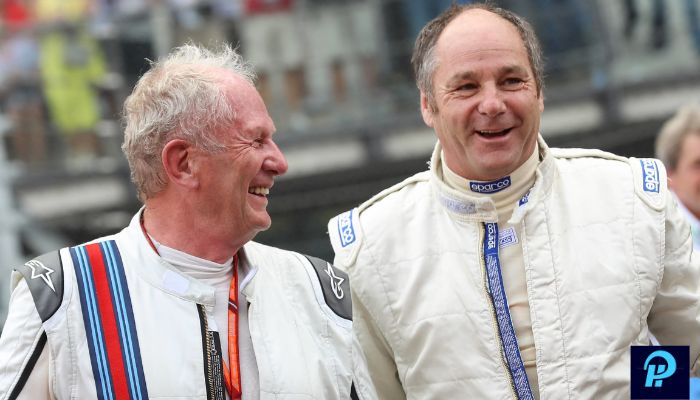
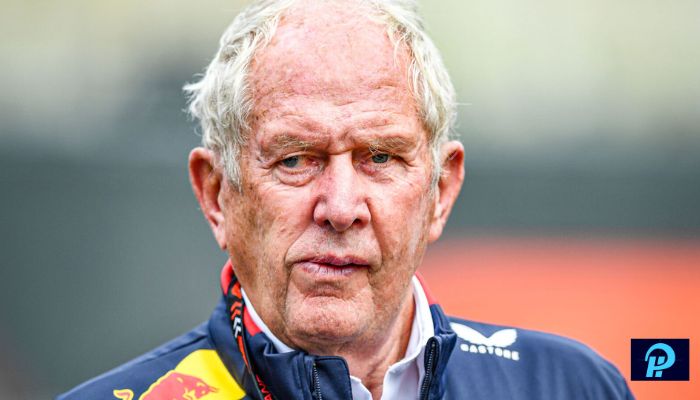
Helmut Marko is a name that has echoed through Formula 1 for decades. To fans of the sport, he’s much more than a former driver. He’s a strategist, a talent scout, and one of the most influential figures behind the rise of one of the sport’s most dominant teams. That’s not common knowledge outside the paddock, and that’s exactly why this article dives deep into surprising elements of his story you likely haven’t encountered before.
A Racing Career Before the Strategy Desk
Many know Helmut Marko as a powerful figure behind Red Bull’s driver program, but few realize he began his life in the sport behind the wheel. Born on April 27, 1943, in Graz, Austria, Marko chased speed early in life. His journey included competing in top-level motorsport categories, including Formula 1 in the early 1970s. Though his Formula 1 career comprised just a handful of starts, his presence on track laid the groundwork for the future he would create off it.
He Holds a Doctorate in Law
It’s unusual for a motorsport figure to also be academically accomplished, but Helmut Marko is just that. Before fully committing to a life in racing, he completed a doctorate in law at the University of Graz. His academic discipline was not only rare among racers but also helped shape the analytical and strategic mindset he later became known for in team management.
A Life-Altering Accident Ended His Driving Career
One of the most dramatic turning points in Marko’s life happened at the 1972 French Grand Prix. During the race, a stone thrown up by another car struck his helmet visor, resulting in the permanent loss of vision in one eye. This accident abruptly ended his promising driving career in Formula 1. Yet, rather than retreat from the sport, it became the catalyst for a remarkable second act off the track.
He Won the 24 Hours of Le Mans
Before his Formula 1 journey, Marko tasted one of endurance racing’s greatest triumphs. In 1971, he co-drove a Porsche 917K to victory at the 24 Hours of Le Mans alongside Gijs van Lennep. Winning this legendary race is considered one of motorsport’s highest achievements, and doing so cemented Marko’s credentials as a serious competitor long before he became a team strategist.
Founder of the Red Bull Junior Team
Long before Red Bull entered Formula 1, Marko was laying the foundations of its future success. In 1989, he founded a racing team called RSM Marko, which eventually evolved into what would be known as the Red Bull Junior Team by the late 1990s. This driver development system became one of the most important pipelines for future F1 talent.
He Shaped Modern F1 Driver Recruitment
While driver academies weren’t new in racing, Helmut Marko helped redefine how they worked in Formula 1. Under his leadership, the Red Bull Junior Team focused intensely on identifying and developing young stars, offering a clear path from junior categories into Formula 1—the first of its kind to use a secondary team (Toro Rosso/AlphaTauri) as a proving ground. Today, graduation through this system is seen as a major achievement in aspiring drivers’ careers.
He Mentored Multiple World Champions
It’s rare for one person to guide not just one, but two Formula 1 World Champions—but that’s precisely Marko’s legacy. Sebastian Vettel, who won four consecutive world titles from 2010 to 2013, and Max Verstappen, a dominant figure in the sport in recent years, both came through the Red Bull driver program under Marko’s guidance. His eye for talent and willingness to take bold chances on young drivers changed the sport’s landscape.
His Decisions Were Not Without Controversy
Marko’s straightforward and often blunt approach garnered headlines over the years. At times, his candid remarks stirred debate within the Formula 1 community. For example, he publicly apologized in 2023 after controversial comments about a driver’s performance and cultural background, recognizing that his phrasing was inappropriate. Though often brash, these moments reveal the complex and highly competitive nature of his mindset.
He Oversaw Red Bull’s Most Successful Era
When Red Bull Racing officially entered Formula 1 in 2005, Marko became a senior advisor. Under his stewardship, the team rose from relative newcomer to powerhouse status. Drivers coming through the junior program have collectively secured multiple Drivers’ and Constructors’ Championships and numerous race wins, establishing Red Bull as one of the sport’s leading teams over the last two decades.
His Legacy Is Complex and Far-Reaching
Helmut Marko’s influence in Formula 1 goes beyond titles and victories. His sharp talent scouting, strategic nous, and willingness to make tough calls created a culture that values performance above all. That approach has been both praised and critiqued, but there’s no question his ideas reshaped how top teams think about talent and long-term development. Whether celebrated for his success or debated for his style, Marko’s mark on the sport is unmistakable.
Conclusion: A Motorsport Life Full of Surprises
From an ambitious young racer in Austria to one of the most influential figures in modern Formula 1, Helmut Marko’s journey is filled with twists that few outside the motorsport world fully appreciate. His story is not just one of success, but of resilience, reinvention, and relentless pursuit of performance. Whether you admire him as a strategist or view him as a polarizing figure, his role in shaping today’s Formula 1 is historic and profound.
George Strait Heart Attack What Happened to George Strait’s Health?
FAQs
Who is Helmut Marko in Formula 1?
Helmut Marko is a former F1 driver turned key figure in the world of motorsports, best known for his role as an advisor and the leader of Red Bull Racing’s driver development program. His strategic influence has shaped the careers of several world champions, including Sebastian Vettel and Max Verstappen.
What is Marko’s impact on Red Bull Racing?
Helmut Marko has been instrumental in Red Bull Racing’s rise to dominance in Formula 1, overseeing driver selections, mentoring young talent, and developing strategies that have contributed to multiple Constructors’ and Drivers’ Championships.
How did Helmut Marko end his driving career?
Marko’s racing career ended in 1972 after a life-changing accident at the French Grand Prix, where a stone struck his visor, permanently damaging his vision in one eye. This forced him to retire from driving but led him to a successful career in motorsports management.
Why is Helmut Marko considered a controversial figure?
Marko’s blunt and often outspoken remarks have earned him both praise and criticism in the motorsports community. His unapologetic approach to driver management and decision-making has made him a polarizing figure, but his impact on the sport is undeniable.
How did Marko influence young F1 drivers like Max Verstappen?
Helmut Marko is known for identifying and nurturing young talent, most notably Max Verstappen, whom he supported from a young age. His belief in Verstappen’s abilities and his promotion to Red Bull Racing helped the driver rise quickly to the top of Formula 1.