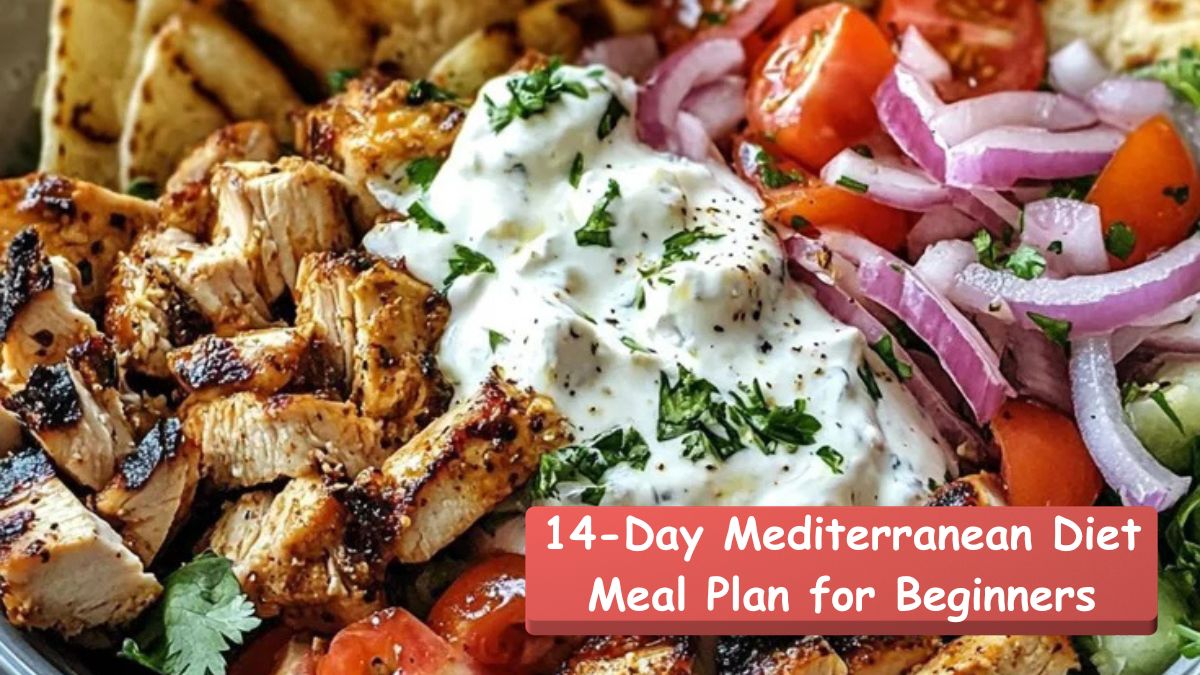
The Mediterranean diet is more than a meal plan it’s a vibrant, whole-foods lifestyle with proven benefits for heart health. Its core principles revolve around enjoying abundant fruits, vegetables, whole grains, and lean proteins, naturally sidelining highly processed items. Unlike restrictive plans, this approach doesn’t require calorie counting.Instead, it offers flexible guidelines to weave these healthy habits into your daily life. Discover the foundations of the Mediterranean way of eating, practical steps for adoption, and the remarkable impact it can have on your well-being.We also provide ready-to-use meal and snack ideas, plus links to delicious recipes to get you started. (1, 2).Below is a 14-day sample Mediterranean Diet menu with meals, recipes, and a food list
The Mediterranean Diet: Healthier Way your Life
The Mediterranean diet is not just a trend. It comes from the food traditions of cities around the Mediterranean Sea. This way of eating highlights whole, unprocessed foods, fruits, vegetables, legumes, nuts, and healthy fats. Following this diet can bring many Healthier benefits, such as:
- Lower risk of heart disease, stroke, and type 2 diabetes
- Better brain function and cognitive health
- Easier weight management and a lower risk of obesity
- Improved mood and overall well-being
Some key parts of the Mediterranean diet are:
- Instead of “Whole grains”: Unrefined carbohydrates, complex starches, intact cereals, fiber-rich grains.
- Instead of “Healthy fats”: Beneficial lipids, nourishing oils, wholesome fatty acids, nutrient-dense fats.
- Instead of “Lean protein”: Low-fat protein sources, light meats, seafood and pulses, quality amino acids.
- Instead of “Dairy in moderation”: Sparingly consumed cultured milk, limited cheese and yogurt, measured dairy intake.
- Instead of “Limit processed foods”: Minimize packaged goods, restrict artificial fare, reduce junk food, cut back on manufactured edibles.
- Instead of “Enjoy meals with others”: Communal dining, social eating, sharing a table, feasting with loved ones.
- Instead of “Building healthy habits”: Cultivating wellness routines, fostering positive lifestyle shifts, developing sustainable practices.
- Instead of “Not following strict rules”: Avoiding rigid restrictions, steering clear of harsh guidelines, embracing flexibility.
- Instead of “Registered dietitian”: Certified nutrition expert, dietary professional, licensed food counselor
Elevating Your 14-Day Mediterranean Diet Meal Experience
As you enter the second week of your 14-Day Mediterranean Diet Meal, your taste buds will have adapted, and you will be ready to elevate your culinary experience. This is the time to experiment with more complex flavors and diverse ingredients. For breakfast, you might explore shakshuka—eggs poached in a rich, spiced tomato and bell pepper sauce—served with warm whole-wheat pita for dipping. Lunches can become an adventure in themselves, perhaps featuring a refreshing Greek salad with grilled halloumi cheese, or a zesty chickpea and tuna salad dressed with red wine vinegar and fresh parsley. The key this week is to keep things exciting and varied so that healthy eating never feels like a chore or a repetitive routine.
During the final stretch of your 14-Day Mediterranean Diet Meal, dinner becomes an opportunity to explore the rich tapestry of Mediterranean cuisine. You could try your hand at a traditional Moroccan tagine with chicken and preserved lemons, or a light and fragrant seafood paella loaded with mussels, shrimp, and saffron-infused rice. Even desserts get a healthy makeover; instead of reaching for a sugar-laden pastry, you might enjoy a handful of fresh berries with a dollop of mascarpone cheese or a baked apple stuffed with nuts and cinnamon. By week two, you will realize that this eating pattern is incredibly versatile and indulgent, proving that healthy food can indeed be the most delicious food on the table.
Smart Snacking and Hydration in Your 14-Day Mediterranean Diet Meal
No 14-Day Mediterranean Diet Meal plan is complete without addressing the spaces in between meals—namely, smart snacking and proper hydration. When the mid-afternoon slump hits, the Mediterranean diet encourages you to reach for whole foods that provide sustained energy rather than a quick sugar crash. Excellent snack options include a small handful of raw almonds or walnuts, hummus paired with carrot and celery sticks, or a small portion of feta cheese and olives. These choices are rich in healthy fats, protein, and fiber, ensuring that you remain satified and energized until your next main meal. Snacking, in this context, is not mindless grazing but a deliberate, nourishing bridge between meals.
Equally important to your 14-Day Mediterranean Diet Meal success is the art of hydration. The Mediterranean lifestyle places a strong emphasis on drinking plenty of water throughout the day, often enhanced with a slice of fresh lemon or a sprig of mint for a refreshing twist. Herbal teas, such as chamomile, peppermint, or green tea, are also highly encouraged and can be enjoyed both hot and cold. What you won’t find on this plan is a reliance on sugary sodas or heavily caffeinated energy drinks. By prioritizing water and natural teas, you support your metabolism, improve your skin health, and ensure that your body functions optimally as you detox from processed foods and embrace a cleaner way of eating.
Overcoming Challenges During Your 14-Day Mediterranean Diet Meal Journey
While the 14-Day Mediterranean Diet Meal is widely considered enjoyable, any dietary shift comes with its own set of challenges. One of the most common hurdles is navigating dining out or attending social gatherings where Mediterranean options might not be readily available. The trick here is flexibility and preparation. When eating at a restaurant, scan the menu for simple grilled proteins, side salads with olive oil and vinegar dressing, and steamed vegetables. Don’t be afraid to ask for modifications, such as swapping a butter-based sauce for a tomato-based one or requesting extra veggies instead of fries. By focusing on the core principles rather than strict rules, you can enjoy social dining without derailing your progress.
Another challenge during your 14-Day Mediterranean Diet Meal journey is the perceived time commitment of cooking fresh meals from scratch. The solution lies in strategic meal prep and embracing the Mediterranean concept of “cooking once, eating twice.” Spend a few hours on Sunday washing and chopping vegetables, cooking a large batch of whole grains like quinoa or brown rice, and preparing a versatile base sauce, such as a classic marinara or a herby tahini dressing. Having these components ready in your fridge means assembling a healthy, delicious meal takes only minutes on busy weeknights. Remember, the time you invest in preparing your food is a direct investment in your long-term health and well-being.
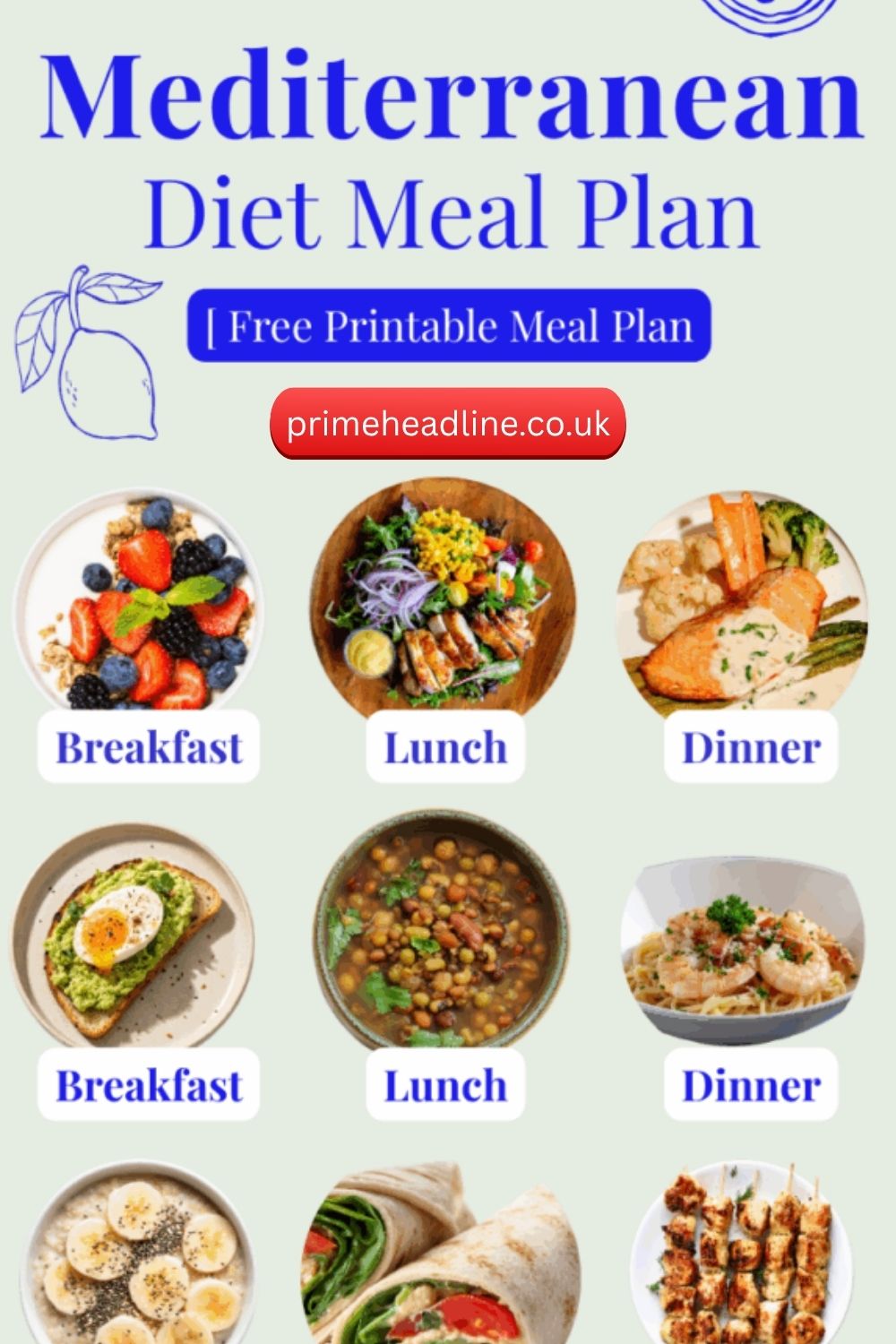
Week 1: Meal Plan
Monday:
- Breakfast: Greek yogurt with berries, nuts, and honey
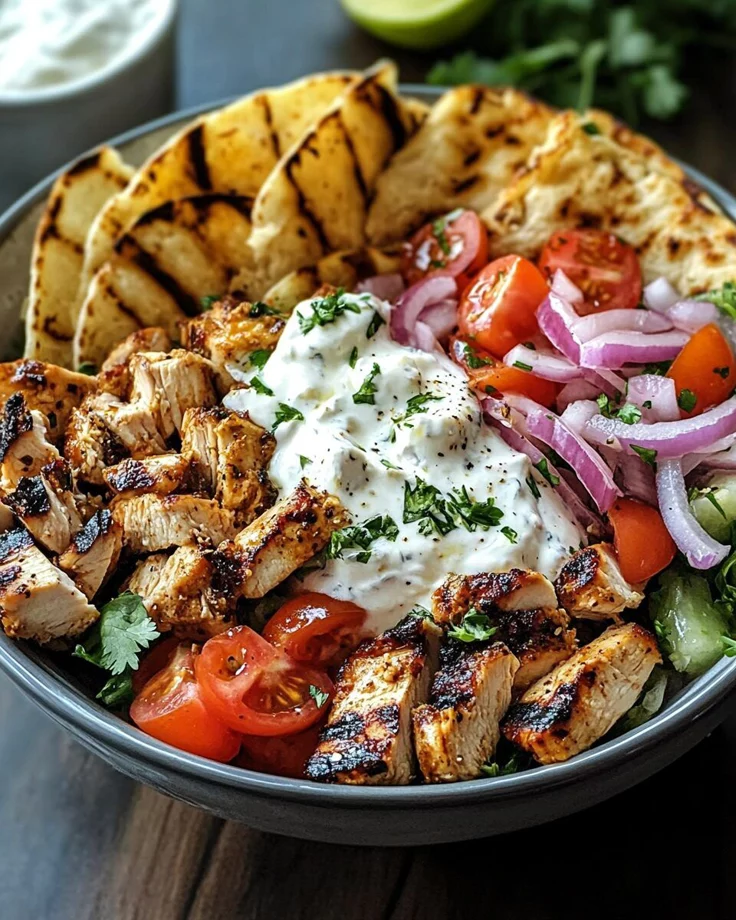
- Lunch: Grilled chicken salad with mixed greens, tomatoes, cucumbers, and olive oil dressing
- Dinner: Baked salmon with roasted vegetables (asparagus, zucchini, cherry tomatoes)
Tuesday:
- Breakfast: Whole-grain toast with avocado and a poached egg
- Lunch: Lentil soup with crusty bread
- Dinner: Shrimp scampi with pasta and broccoli
Wednesday:
- Breakfast: Scrambled eggs with whole-grain toast and fruit
- Lunch: Leftovers from dinner
- Dinner: Grilled chicken breast with roasted potatoes and green beans
Thursday:
- Breakfast: Scrambled eggs with whole-grain toast and fruit
- Lunch: Leftovers from dinner
- Dinner: Grilled chicken breast with roasted potatoes and green beans
Friday:
- Breakfast: Smoothie with spinach, banana, Greek yogurt, and almond milk
- Lunch: Mediterranean salad with chickpeas, feta cheese, and olives
- Dinner: Fish tacos with corn tortillas and salsa
Week 2: Meal Plan
Monday:
- Breakfast: Whole-grain pancakes with fruit and maple syrup
- Lunch: Tuna salad sandwich on whole-grain bread
- Dinner: Chicken stir-fry with brown rice and vegetables
Tuesday:
- Breakfast: Omelet with spinach, tomatoes, and cheese
- Lunch: Leftovers from dinner
- Dinner: Baked chicken breast with roasted vegetables (broccoli, carrots, onions)
Wednesday:
- Breakfast: Smoothie with berries, spinach, and Greek yogurt
- Lunch: Mediterranean salad with chickpeas, feta cheese, and olives
- Dinner: Salmon with roasted potatoes and asparagus
Thursday:
- Breakfast: Scrambled eggs with whole-grain toast and fruit
- Lunch: Leftovers from dinner
- Dinner: Grilled chicken breast with roasted vegetables (broccoli, carrots, onions)
Friday:
- Breakfast: Whole-grain toast with avocado and a poached egg
- Lunch: Lentil soup with crusty bread
- Dinner: Shrimp scampi with pasta and broccoli
conclusion 14-Day Mediterranean Diet Meal Plan
Always Remember:Include healthy fats like olive oil, nuts, and seeds.
Choose whole grains over refined carbohydrates.
Always Prefer fruits and vegetables.
Limit processed foods and sugary drinks.
Stay hydrated by drinking plenty of water.
This 14-day meal plan offers a variety of delicious and nutritious options to help you adopt the Mediterranean diet. Adapt it to your preferences and dietary needs, and enjoy the benefits of this healthy lifestyle.
Hosted Online Radio Event btwradiovent: The Ultimate Guide to Digital Broadcasting Excellence
Frequently 14-Day Mediterranean Diet Meal plan
1. Can I drink coffee or wine on a 14-Day Mediterranean Diet Meal plan? Yes, moderate coffee consumption is perfectly fine, ideally black or with a splash of milk. Red wine is also a traditional part of the Mediterranean diet and can be enjoyed in moderation—typically one glass per day for women and up to two for men—though it is entirely optional.
2. Will I lose weight on a 14-Day Mediterranean Diet Meal plan? Many people do experience weight loss on this plan because it naturally reduces processed foods, added sugars, and unhealthy fats while increasing fiber and protein. However, the primary goal is overall health and vitality, and weight loss will depend on your individual calorie needs and portion sizes.
3. Is the 14-Day Mediterranean Diet Meal plan expensive to follow? It doesn’t have to be. While things like extra virgin olive oil and fresh seafood can be pricier, you can save money by incorporating more plant-based proteins like lentils and chickpeas, buying seasonal produce, and opting for canned or frozen fish, which are just as nutritious.
4. What if I am vegetarian or vegan? Can I still do this? Absolutely! The Mediterranean diet is incredibly plant-forward, making it very easy to adapt for vegetarians or vegans. Simply swap out the fish and poultry for more legumes, tofu, tempeh, and whole grains to meet your protein needs.
5. How much olive oil should I be consuming daily? Olive oil is the primary fat source in this diet, typically replacing butter and unhealthy oils. A general guideline is about 2 to 4 tablespoons a day, used for cooking, dressing salads, and finishing dishes.
6. Are fruits limited on the 14-Day Mediterranean Diet Meal plan? Fruits are encouraged as a daily staple, especially for dessert or snacks. While fruit contains natural sugars, it is also packed with fiber and nutrients. Just aim for variety and moderation, focusing on fresh, whole fruits rather than dried or juiced versions.
7. Can I eat bread and pasta on this plan? Yes, you can! The key is choosing whole-grain or legume-based varieties. Traditional Mediterranean diets feature plenty of whole-wheat pasta, brown rice, and sourdough bread, which provide sustained energy and valuable fiber.
8. What kind of snacks can I eat between meals? Great snack options include a handful of unsalted nuts, fresh vegetable sticks with hummus, a small bowl of Greek yogurt with berries, or a piece of fresh fruit with a few slices of cheese.
9. Do I need to count calories on the Mediterranean diet? Generally, no. One of the biggest benefits of the Mediterranean diet is that it relies on intuitive eating and listening to your body’s hunger cues. Because the foods are nutrient-dense and high in fiber, you will likely feel full and satisfied without needing to track calories.
10. What happens after the 14 days are over? The 14 days are just the beginning! The goal is to transition this meal plan into a permanent lifestyle. You can continue expanding your recipe repertoire, experimenting with new Mediterranean ingredients, and enjoying the long-term health benefits of this sustainable way of eating.